I can’t believe that it’s been 6 months since I did one of these. I meant them to be quarterly. Maybe it’s because I didn’t actually read that many new books over this period, instead choosing to re-read some old favorites. Much of my reading time was focused on reading my own writing (notes, journals, and documents pertaining to my business & community efforts), and on slow-reading some of my favorite resources, such as the Holy Bible, Selected Speeches of Haile Selassie I, and “The Orthodox Way” from Bishop Kallistos Ware. I’ve also been producing audio book readings for a series of testimonies of Rastafari ancients published by Wisemind Publications, which has given me the opportunity to read about 20 of these booklets.
Here are the recent reads:
HOPE RISING
By Casey Gwinn, J.D. & Chan Hellman, Ph.D.
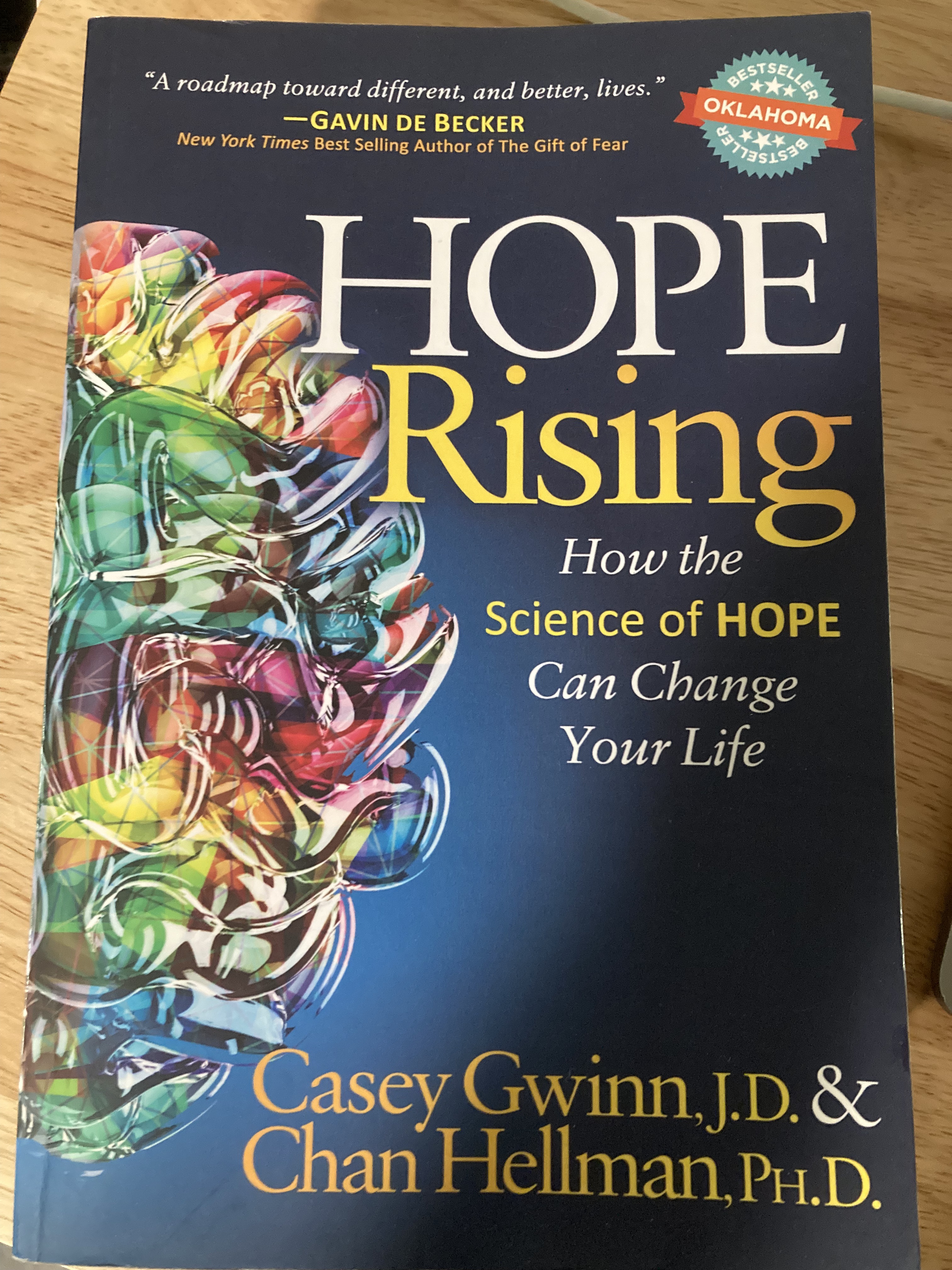
Hope is not wishful thinking, it is a positive expectation involving active participation on your own part. That’s the biggest lesson I learned from this excellent resource by Casey Gwinn, former San Diego City Attorney and current president of Alliance for HOPE International and the National Family Justice Center Alliance, along with co-author Chan Hellman, a researcher at the University of Oklahoma. Their book highlights the science of hope: how hope affects you biologically, psychologically, and socially, how hope can be measured, and how hope can be increased. This is very important work happening at the confluence of community health, hard science, and the life of faith. An important resource for the optimistic and solutions-minded. I received this book as part of a training opportunity through the Sedro-Woolley RISE Coalition (Rallying to Inspire Safe Environments).
THROUGH RED, GOLD & GREEN SPECTACLES
By Barbara Blake-Hannah
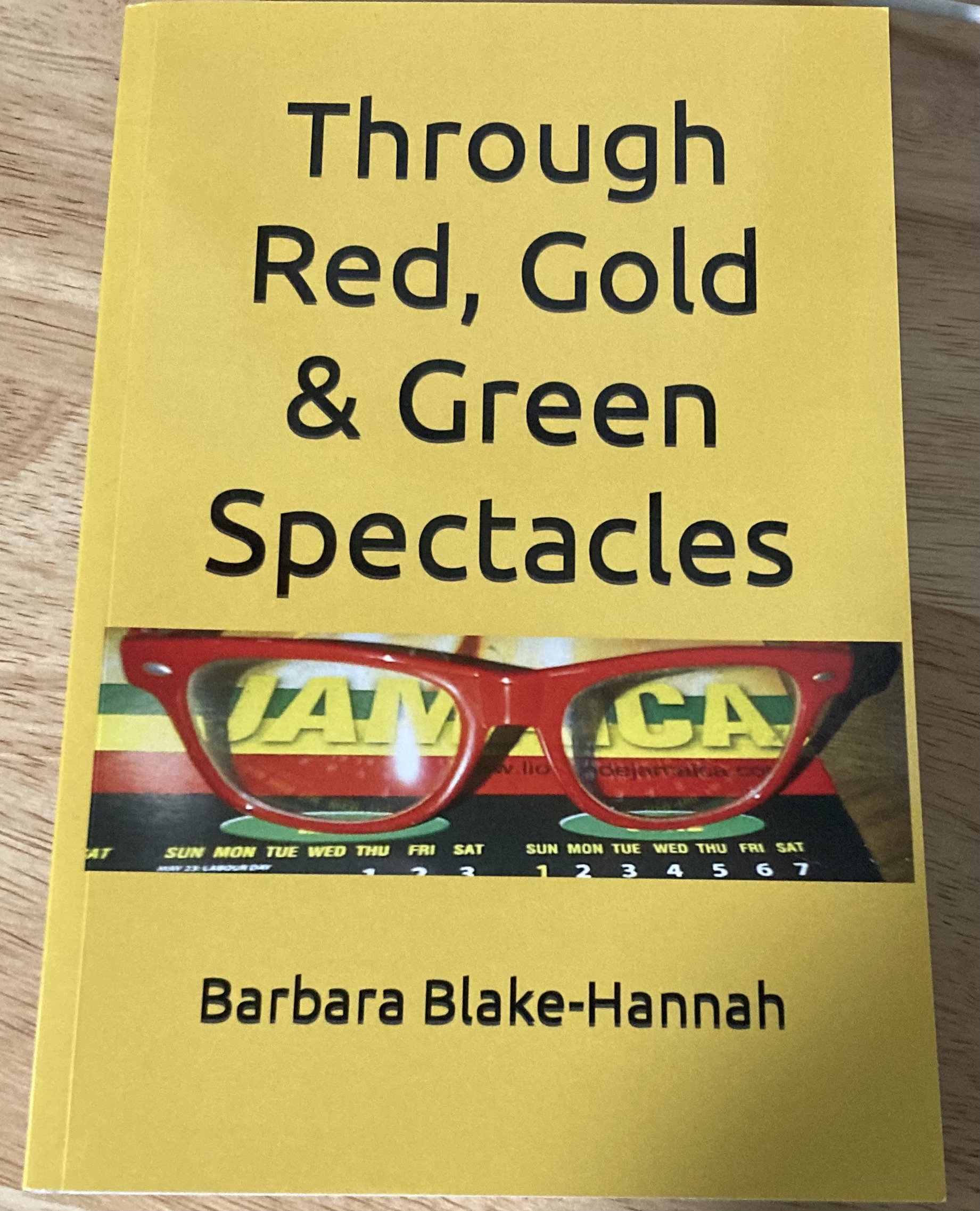
Not all Rastas are Reggae musicians. Some are journalists, TV presenters, politicians, and authors, like Barbara Blake-Hannah. We were first introduced through email when she was running the Jamaican International Reggae Film Festival, which screened my film “True Born African” in 2013. She is a well-known and often controversial figure within the global Rastafari movement, the first black woman TV journalist in the UK in the 1960s, PR officer for the film “The Harder They Come”, and the first Rastafari to serve as a Senator in the Parliament of Jamaica. This book is an anthology of some of her writing, ranging from essays and opinions to autobiographical memoir, and even a piece of short fiction. At times deeply insightful and also quite moving, this book is a ‘Haile’ recommend.
Living in the Present
By Buddhadasa Bhikkhu
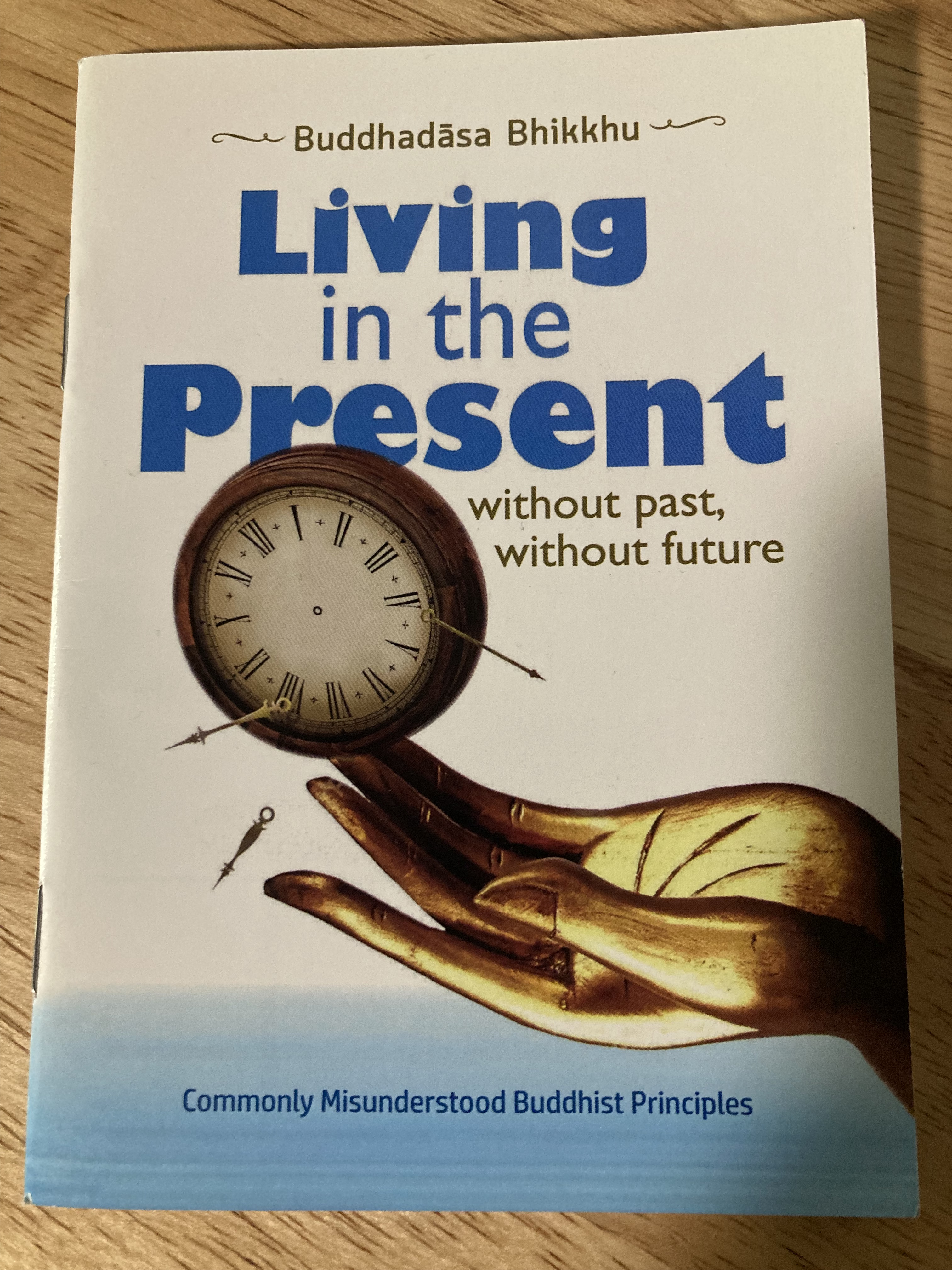
Re-reading an old favorite. My interest in Buddhism started in my 20s, in college, reading Siddhartha by Herman Hesse in a class called “The Power of Myth”. Years later, I was indulging a Buddhist exercise when I gave up all my stuff to travel in the world in 2006. On that trip, I visited Thailand and Laos, speaking with many monks and frequenting the Wats. I even stayed 4 or 5 days in a monastery in Cambodia. When Chelly and I were married on January 1st, 2008, the hotel we stayed in for our honeymoon had copies of Teachings of the Buddha in the rooms, free for guests to take, and I kept one of these in my library for many years before giving it away to some aspiring Buddhist or another. Around that time, I also began collecting these little Buddhadasa Bhikkhu texts that they put out for free at the Thai restaurants. They gave me a lot of useful tools for life.
Recently, I heard some of these ideas and techniques discussed in the “Awakening from the Meaning Crisis” series on YouTube and it re-kindled my interest. I was thinking about those little booklets (that I didn’t have anymore), trying to remember the meditation techniques I found in there. Then, after a video gig at the Museum of Popular Culture in Seattle, I stopped by a local Thai place for take-out and they had some of those same Buddhadasa Bikkhu tracts! So there it is. Nothing about statue-worship or magical thinking, but some very practical techniques for centering your presence in the now, useful to anyone of any religious persuasion (or otherwise).
Getting Started in Mindfulness with Breathing
By Buddhadasa Bhikkhu
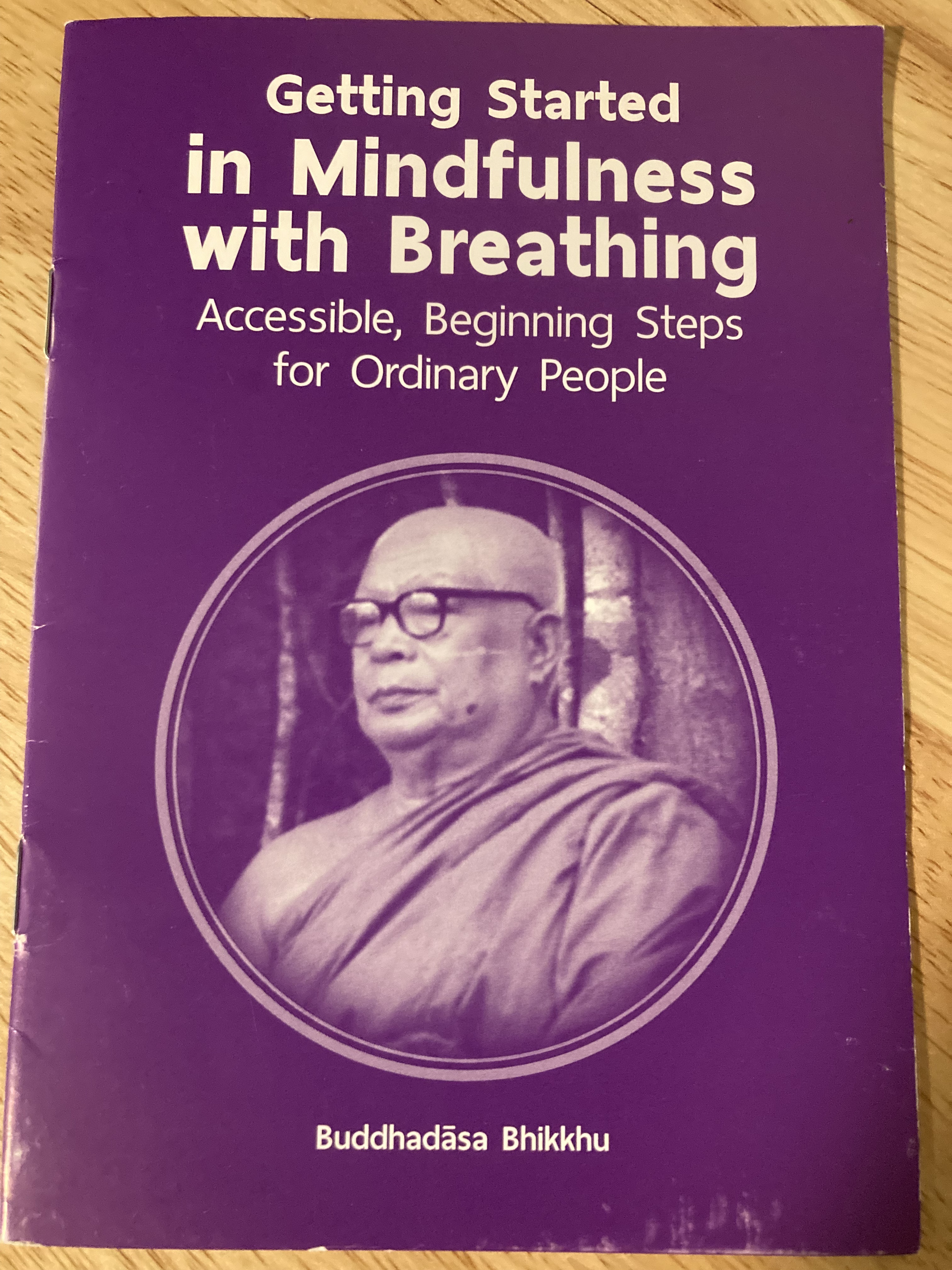
These were the first meditation techniques that I learned. I have tried my best to remember them and practice them (without tutelage) for the past decade-plus. It’s nice to have the booklet in my hands again and check my comprehension and retention of the material. It’s a very short booklet, with nothing that I would call “religious” content. Rather, it describes a technique for sitting still and paying attention to your breath that helps one let go of oppressive thoughts or tensions in the body, and exist in the present moment without rumination, judgment, or anticipation.
CONTEMPLATIONS ON THE TEN COMMANDMENTS, VOLUME 3
By H.H. Pope Shenouda III
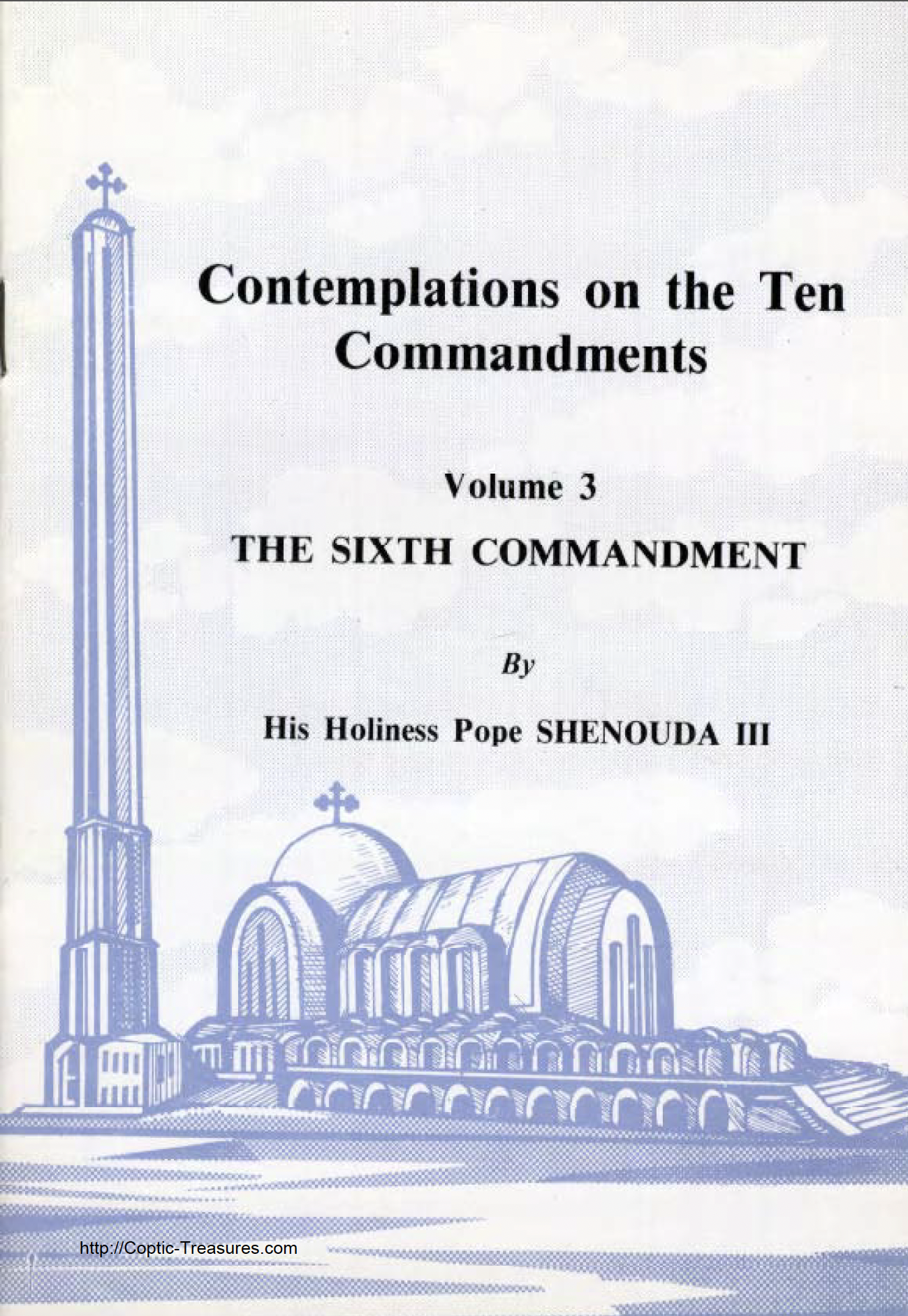
For the past year, this series of books from Coptic (Egyptian) Patriarch Shenouda III have served as my Sunday School curriculum at Anketse Birhan Saint Mary and Saint Arseima Ethiopian Orthodox Tewahedo Church. Most recently, I have been reading the 3rd book in this series: Thou Shalt Not Kill. I’ve written about the first two volumes in earlier book report blogs. Carrying on in the same vein, this book expands the interpretation of the 6th Commandment in light of Christ and His Mercy. This means that Christians no longer restrict the application of the commandment “thou shalt not kill” only to murderers, but extend it to all acts of violence, all acts of psychological or spiritual abuse, and in fact, any act that implies harm, wishes harm, or causes harm to another human being. If you’re interested in reading these, please email me and I will send you the ebooks.
RASTAFARI: HEALING OF THE NATIONS
By Dennis Forsythe
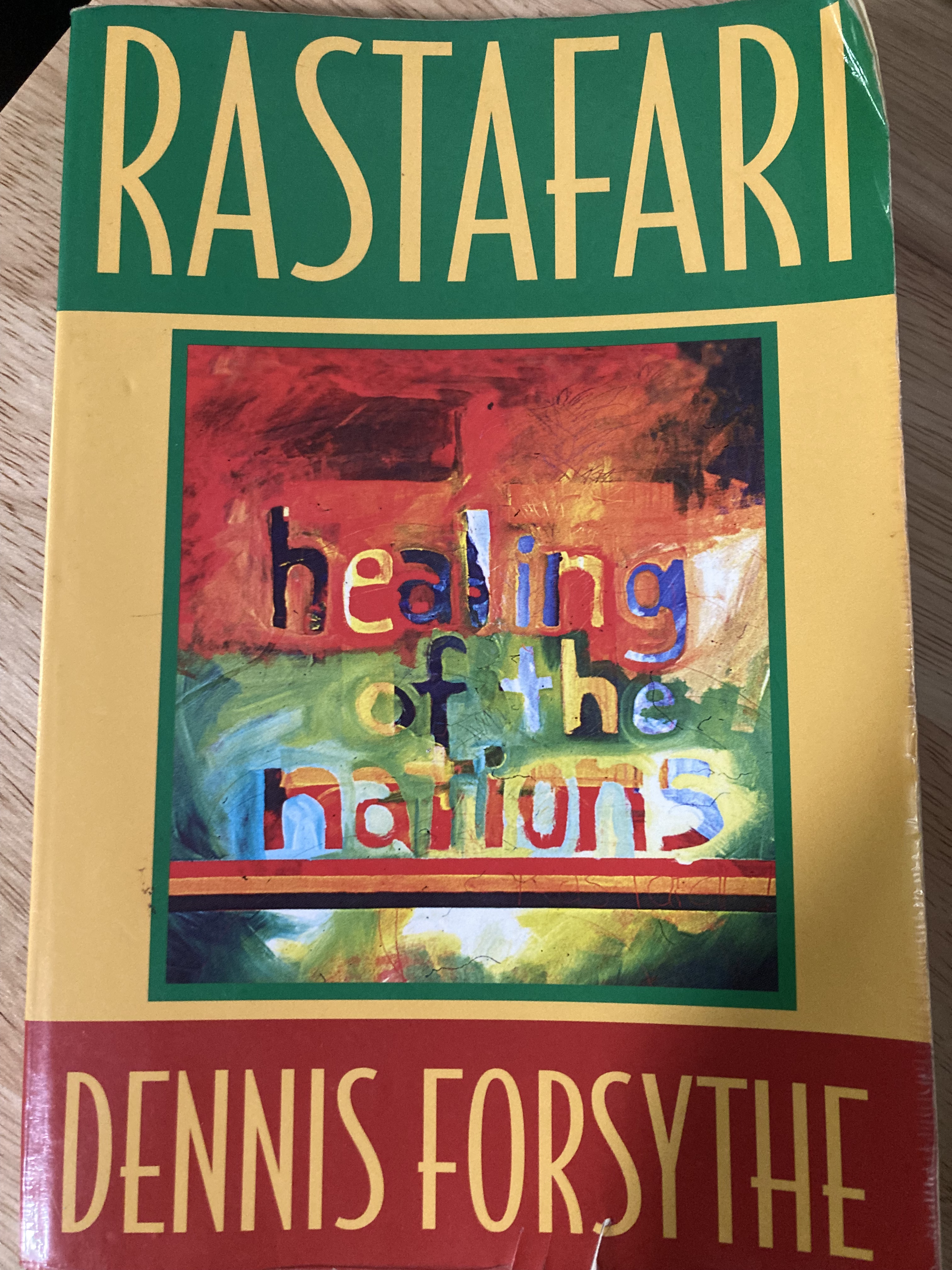
Another trip down memory lane, inspired partially by listening to Awakening from the Meaning Crisis and reflecting on my earliest days as a religious seeker. At that time–in 2007–already fancying myself a plain-clothes Rasta for over a decade at this point, having recently traveled to Africa, grown my hair out, given up alcohol, begun grounding with the Rastafari bredren in Kenya, and reading the Bible a chapter a day, I picked up this book from Half Priced Books on Roosevelt in Seattle’s U-District. It was powerfully resonant and hugely influential on me in ways I didn’t realize until I found it again and gave it a re-read this year.
Jamaican-born Canadian Dennis Forsythe left his academic career in Canada in the late 1970s to return to Jamaica and ground himself with the Rastafari. This produced a regular writing stint for the Jamaican Gleaner and this fine book. Along with some insightful history of the Rastafari movement, he expands the discussion of Rastafari into then-new territory, such as comparative religion and mythology (a la Campbell or Jung), shamanism, and a thorough examination of the Anancy archetype in Jamaican culture.
In re-reading the book, I was awakened to the impact it had on my life. Firstly, I was well-prepared to read it then in 2007, having explored similar subject matter as Forsythe in my college & university days, and in my own private studies. Secondly, the ideas and concepts in this book helped map out my later journey into Rastafari along the Ganja Trail, through the teachings of Haile Selassie I, and into the Ethiopian Orthodox Church. Thirdly, I recognized myself clearly in the archetypal journey that Forsythe maps: I was a baldhead (Anancy) who became a dreadlocks (Lion-Man), and then an Orthodox Christian (Lamb-man).
WISEMIND PUBLICATIONS
By Ras Flako Tafari
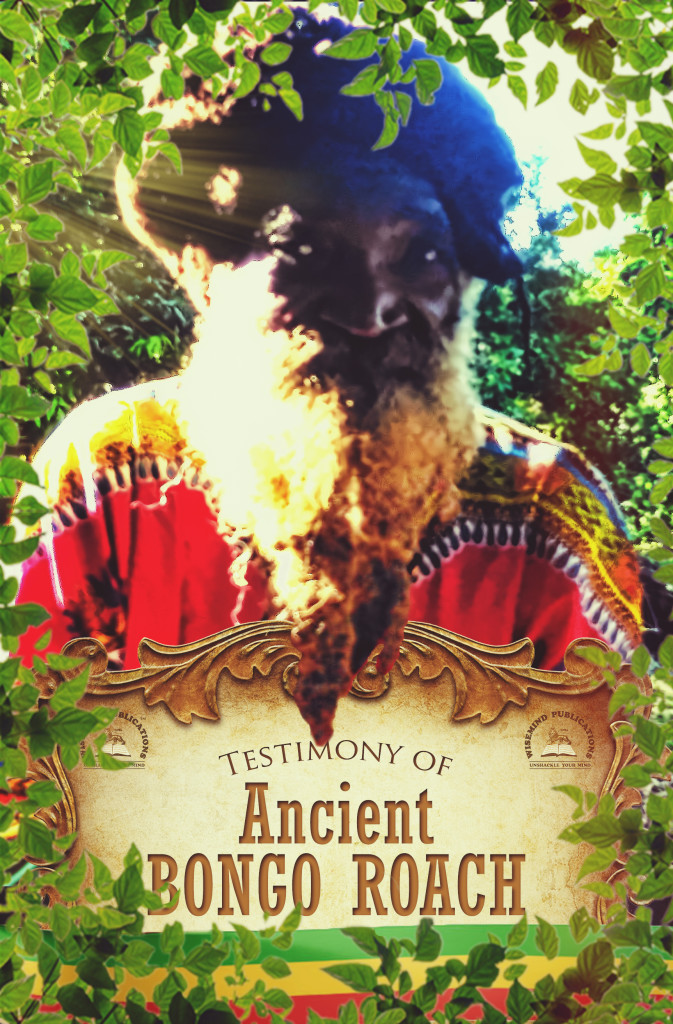
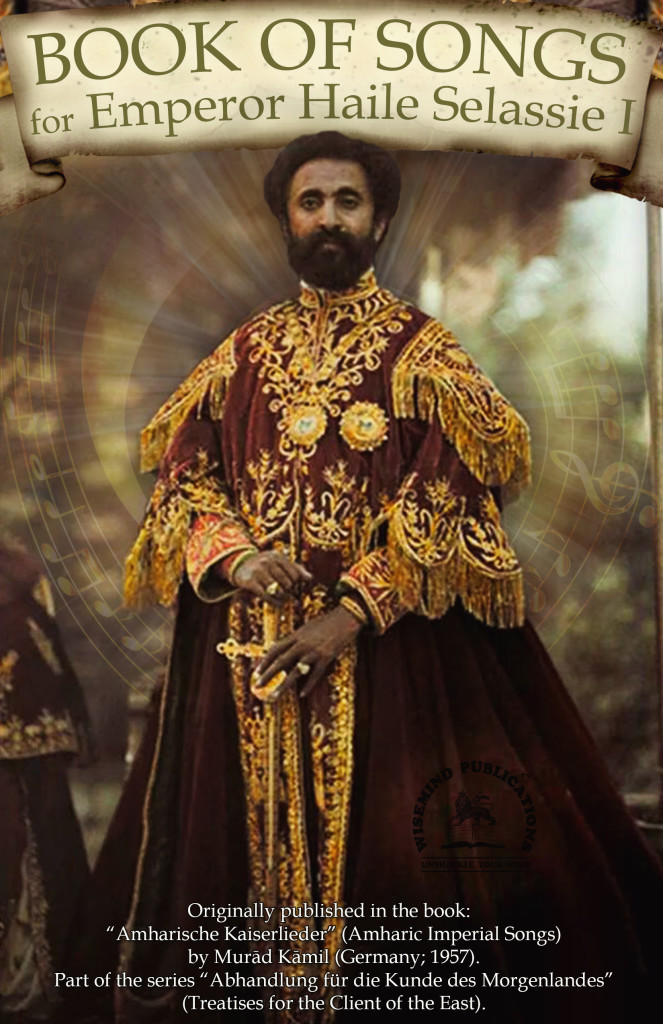
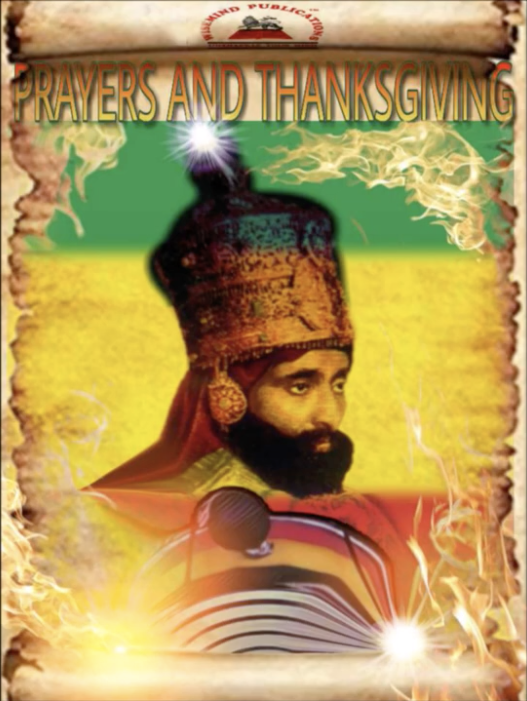
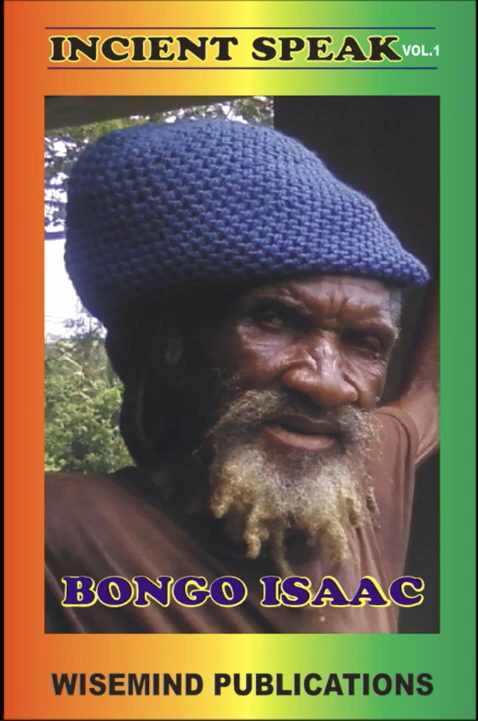
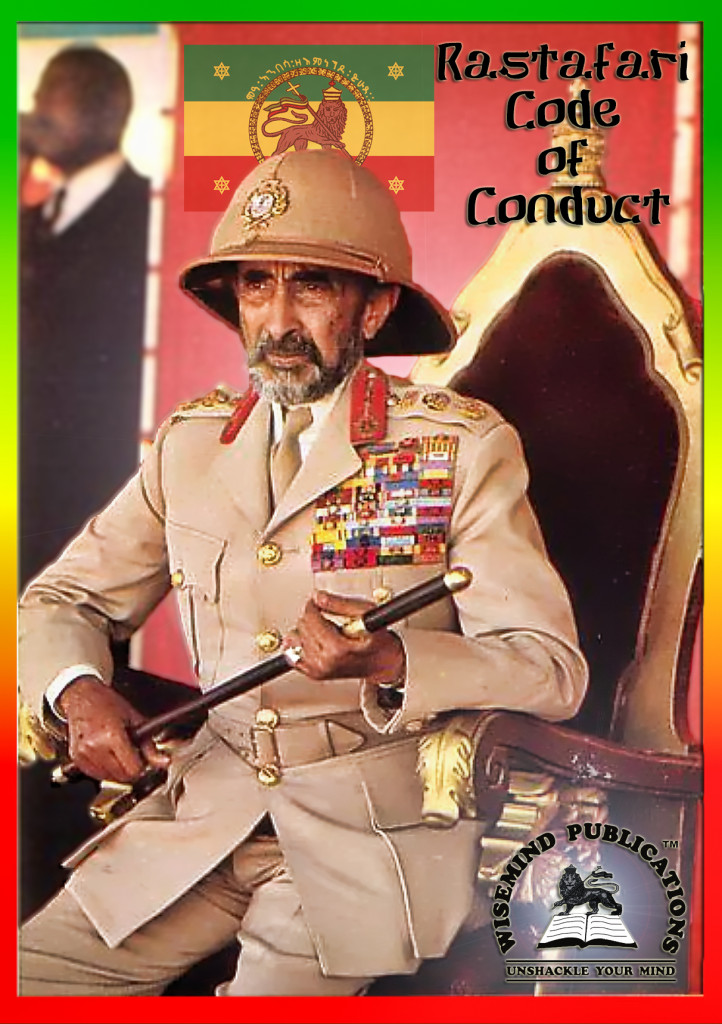
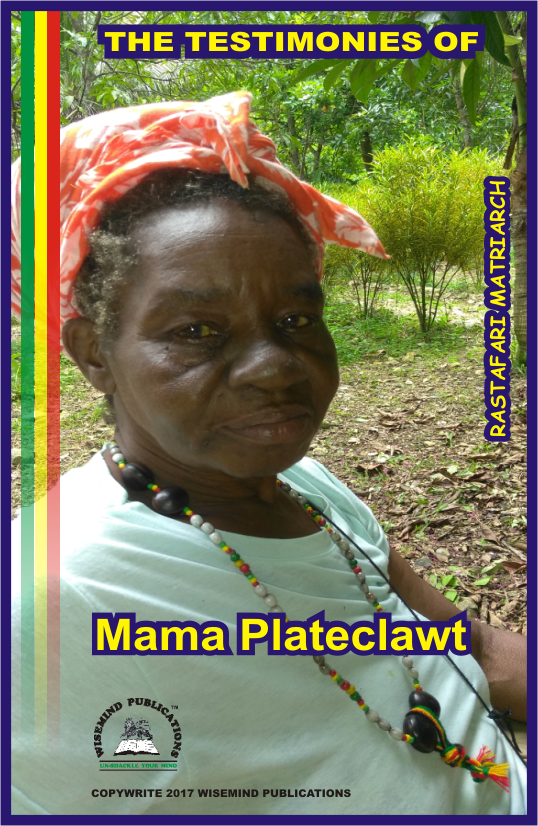
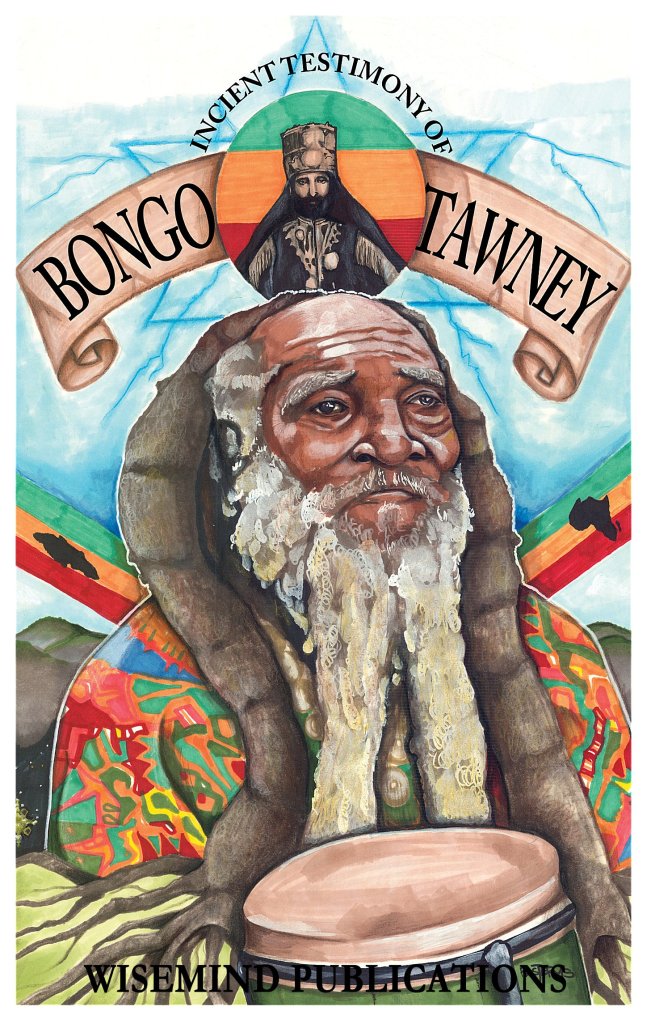
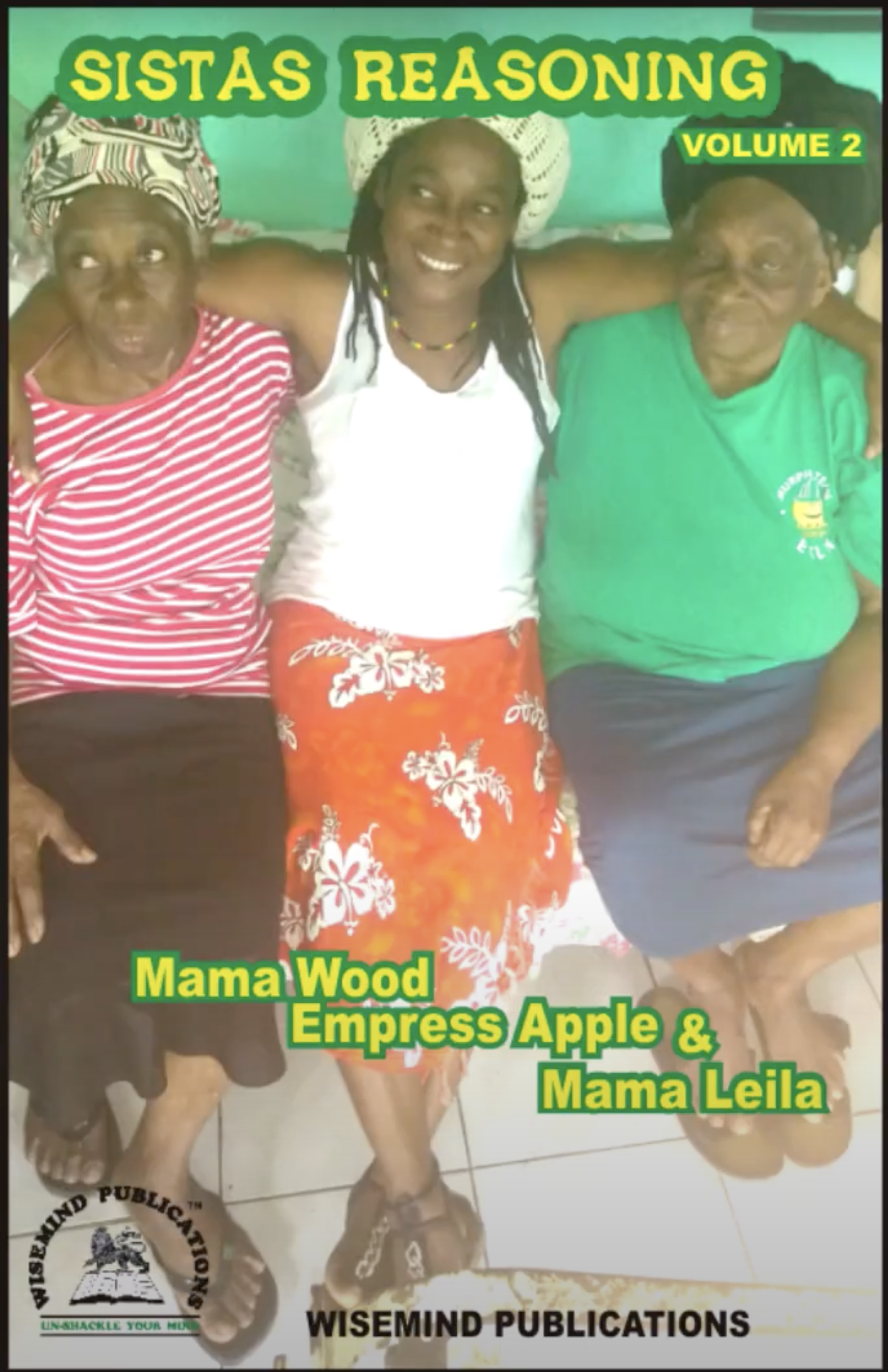
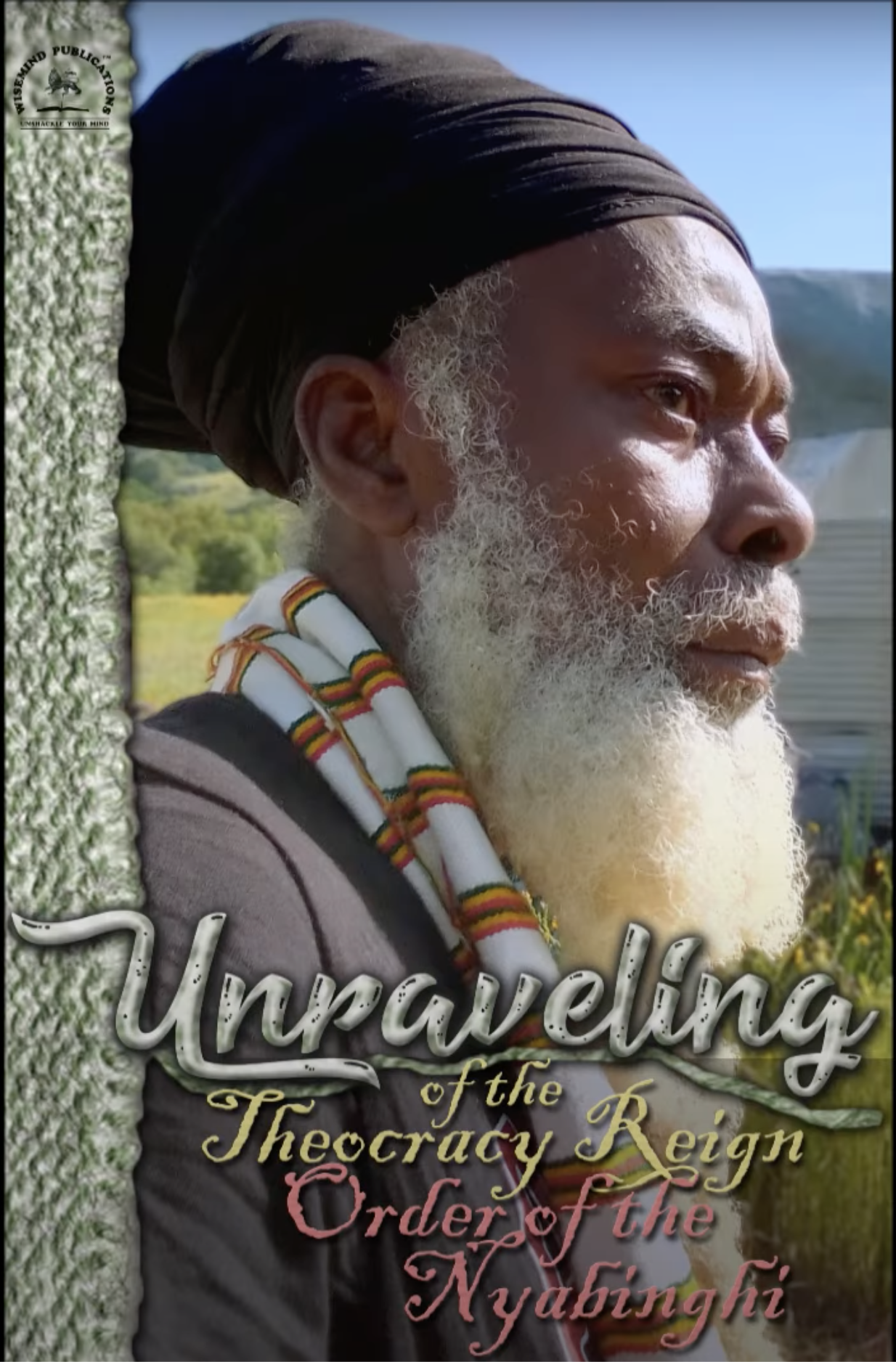
By this point, I have produced 20 audio books for Wisemind Publications, either reading the books aloud myself, or compiling and editing the work of other readers. Collectively, we have produced a fine collection of Rastafari testimonies, teachings, and historical documents, using a range of Caribbean, African, and American voices. There are many more to come.
In producing the audio books, I have read each of them numerous times. This brought profound reflection on the actual meaning of the Rastafari movement through the lived experiences of the Ancients who formulated it and suffered to bring this culture forward. I recognize that there are many interpretations of Rastafari in fashion today, causing rivalries and disagreements that hinder the movement. However, in reflecting upon the history, the teachings, and the testimonies of these Ancients, I KNOW that this nexus of rebellious former slaves, politically minded Pan-Africans, Ethiopian Christian Revivalists, natural mystics, and world leaders aspiring to peace and a brighter future for humanity IS THE WORK OF THE ALMIGHTY.
IMPORTANT UTTERANCES OF H.I.M. EMPEROR HAILE SELASSIE I JAH RASTAFARI, VOLUME 1
Published By the Voice of Rasta Publication
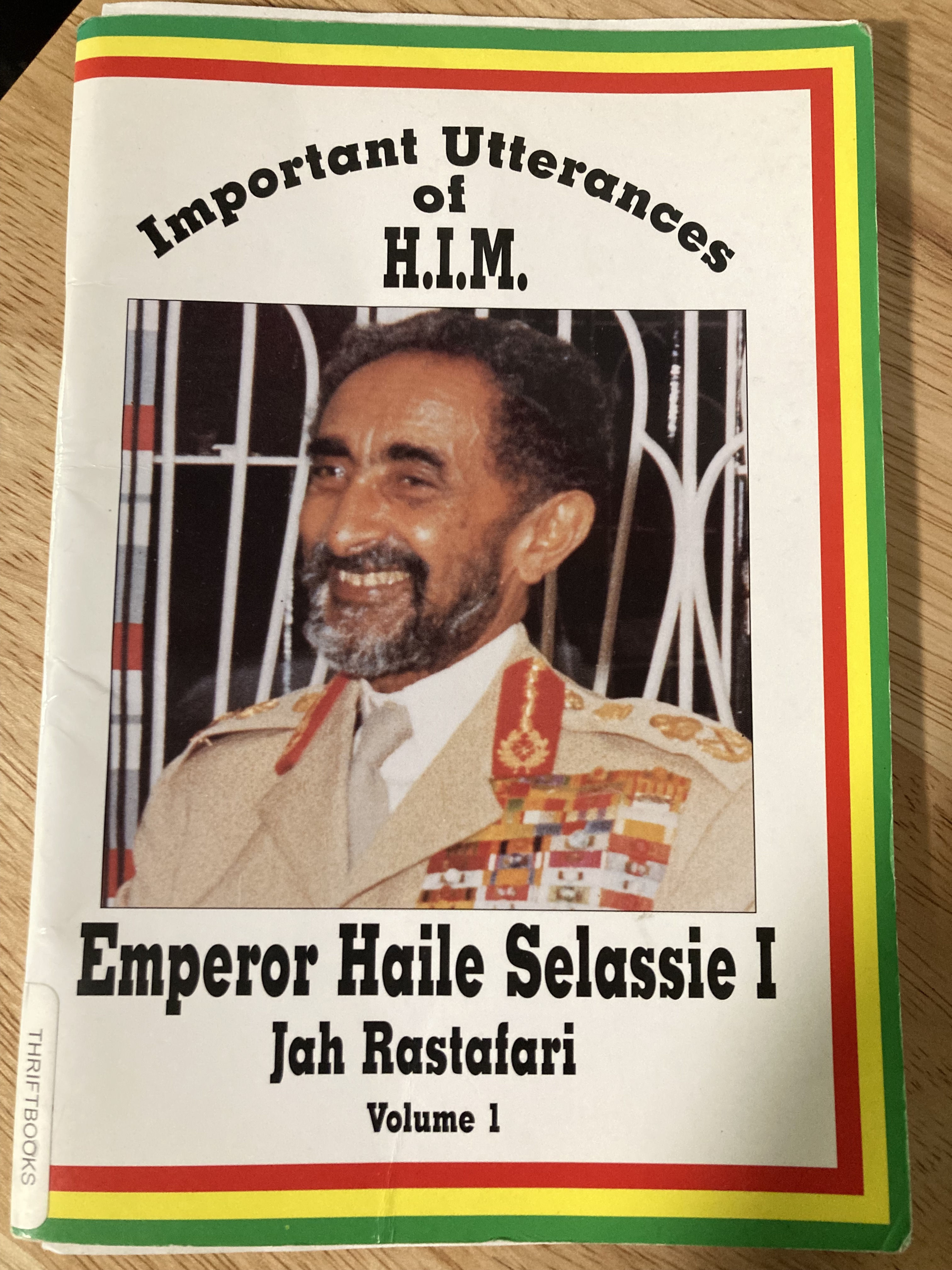
Originally published by the Ethiopian Ministry of Information in 1972, the full book of Important Utterances of His Imperial Majesty Haile Selassie I is one of the most difficult books in the Rastafari library to find in print. I have located a full digital copy, but poorly scanned, and I continue to seek out a print copy. This reprint of several speeches from the book was found on eBay.
Reading the teachings of His Majesty brings one to realize that this Emperor of Ethiopia and Father of Africa is more than just a global political figure of great historical importance and symbolic significance. He is, in fact, the loving father of a nation that sees all mankind as their children. Each of these speeches, be they dedications of a school or hospital, words to a graduating class, or an address to heads of state and dignitaries, expresses His Majesty’s philosophy of the fatherhood of God and brotherhood of mankind, a hopeful vision for the future, inspiration for the uprising of Ethiopia and Africa and their important role on the global stage, and practical means for the attainment of peace on Earth and a higher expression of human civilization. If you are seeking enlightenment, seek no further.
 Nic Nakis