I am not black-skinned, I am not a Jamaican, but I am a Rastaman, and I have been a Rastaman in Thailand three times.
Then
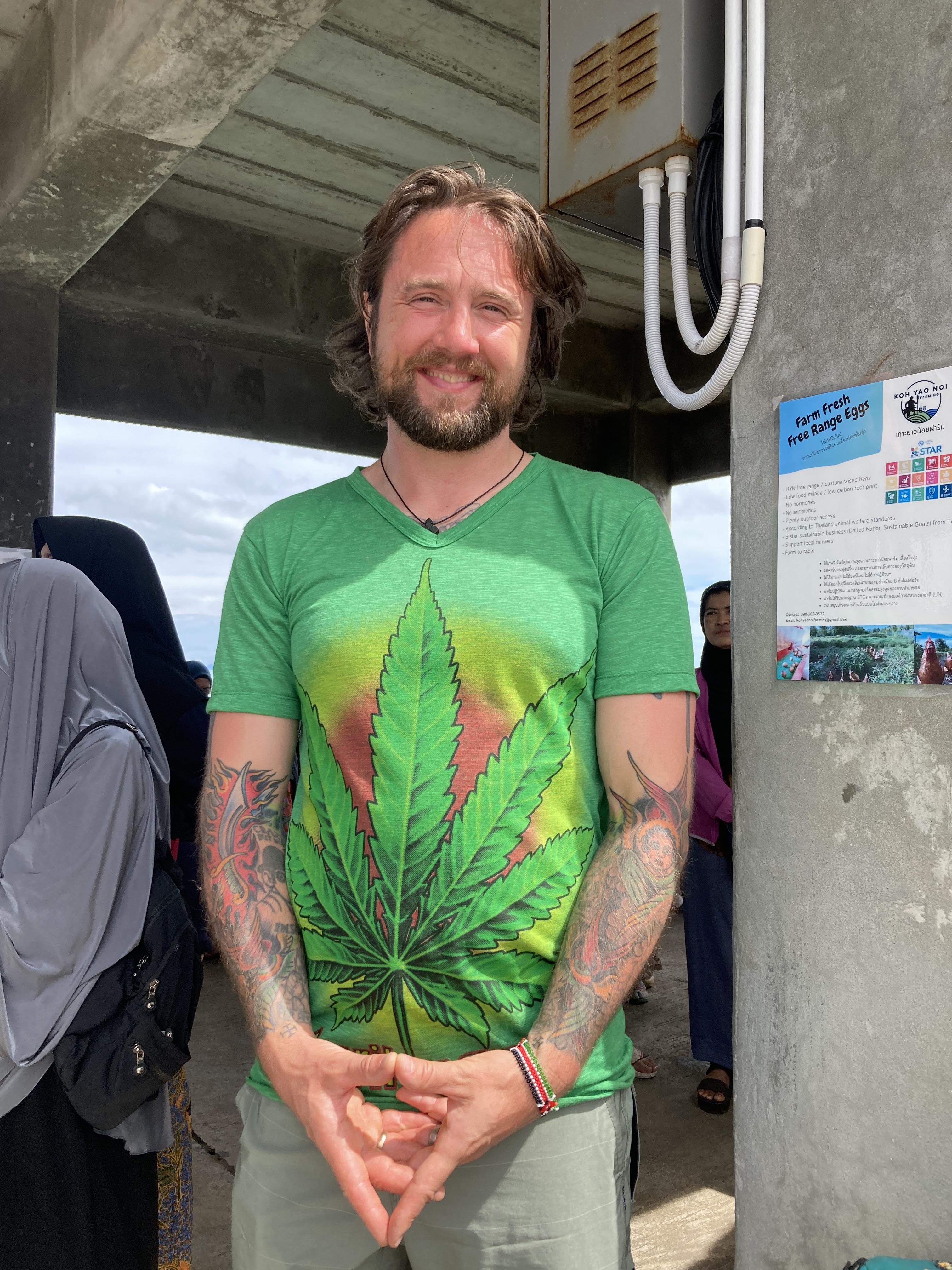
The first time I was in Thailand was for 3 months in 2006. I was growing hair on my head and on my face, sneaking ganja, and discovering Reggae bars. I met an African woman on that trip and she became my wife. She got me into reading the Bible, and I also learned a lot of things while researching for my travel blog. This was a time of mystical experiences for me, leaving the context of who I was as a person, leaving behind all the people and places I knew. I met people from all around the world, and I saw more clearly the foolishness or the wisdom in them. I also explored new ideas and philosophies. I visited many temples, rode elephants, buses, trains, and river boats. I don’t think anybody knew I was a Rasta then except me–and Chelly–who wasn’t really fazed by it because she already had two brothers who were Rastas.
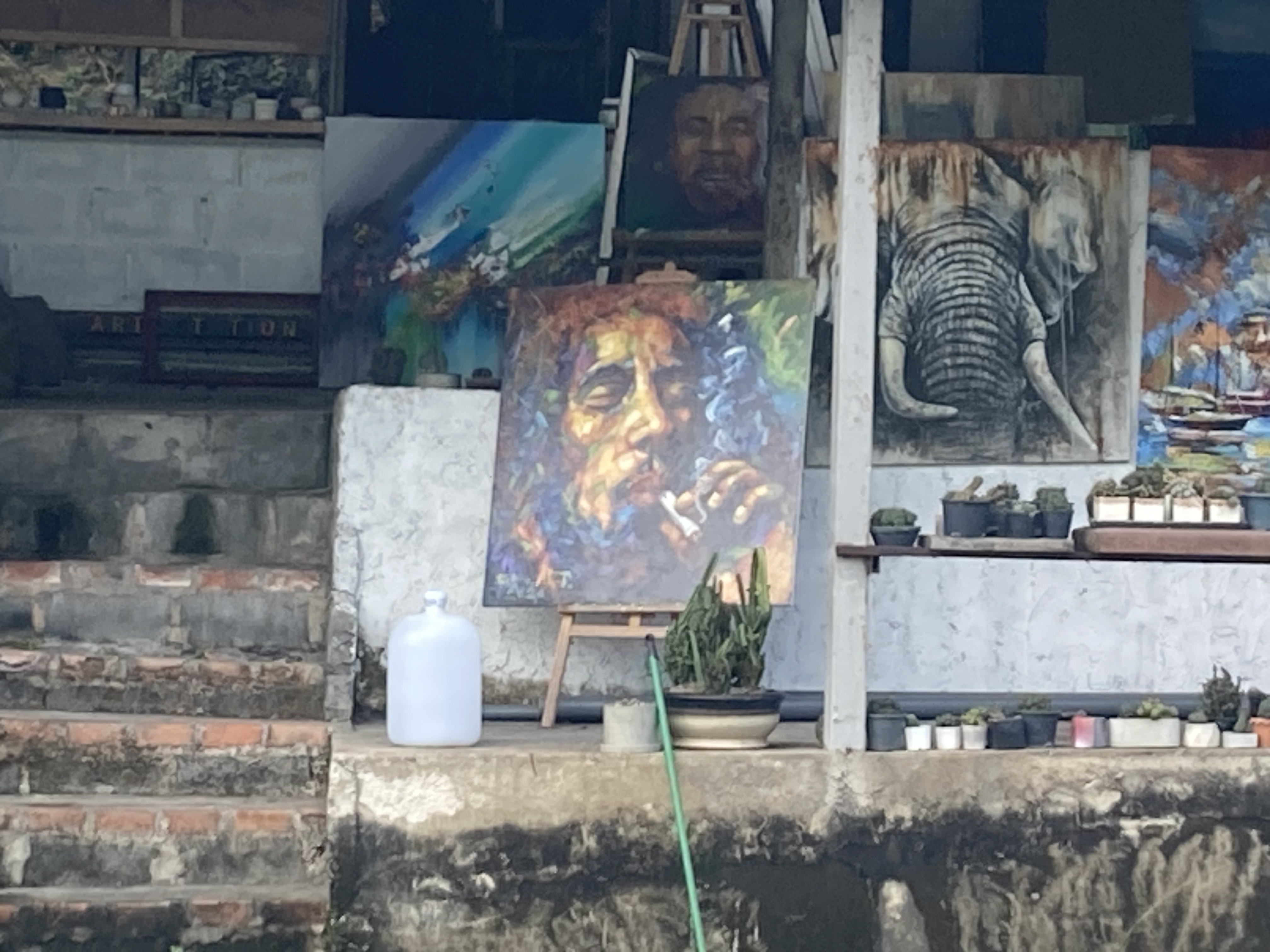
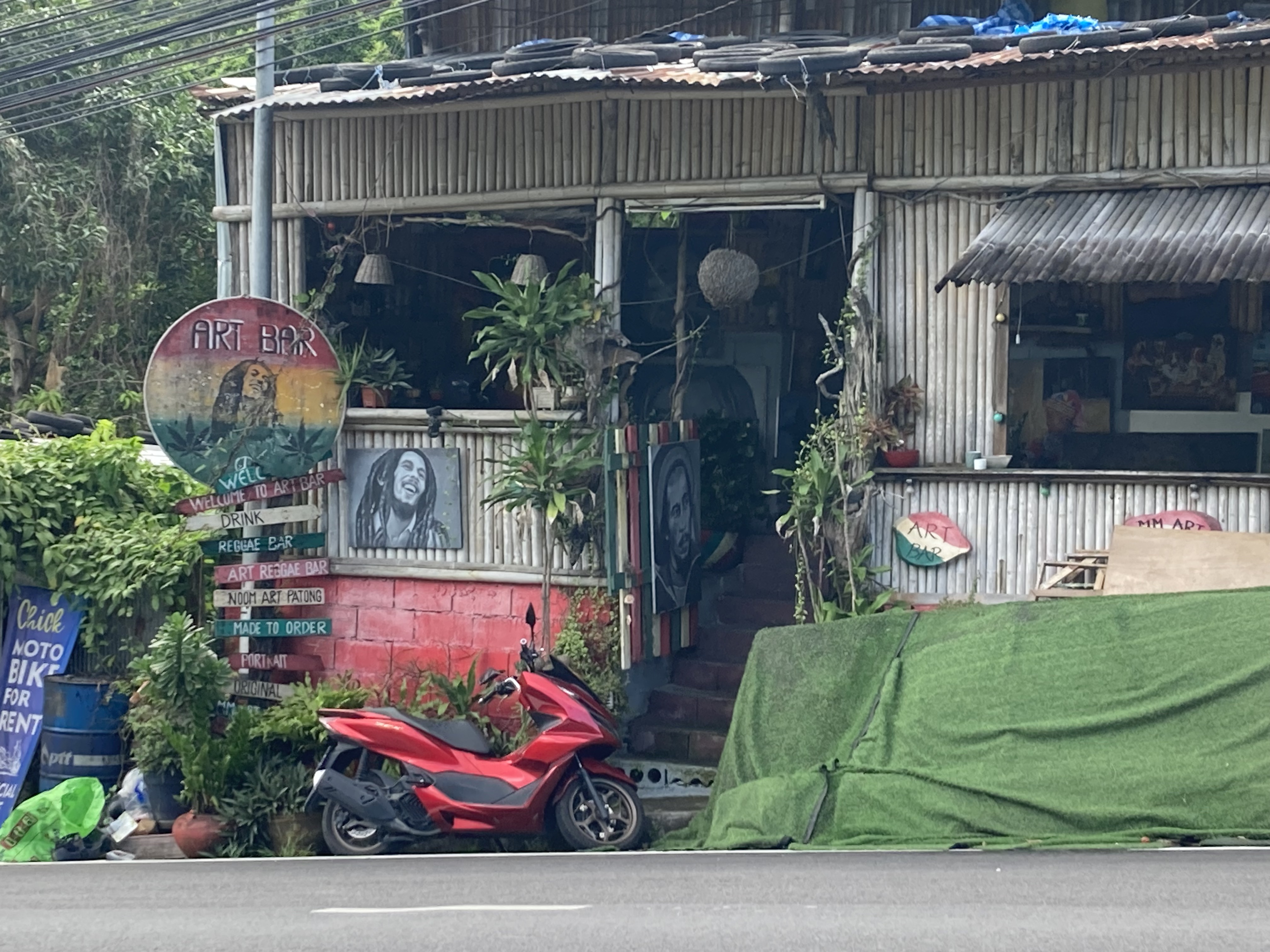
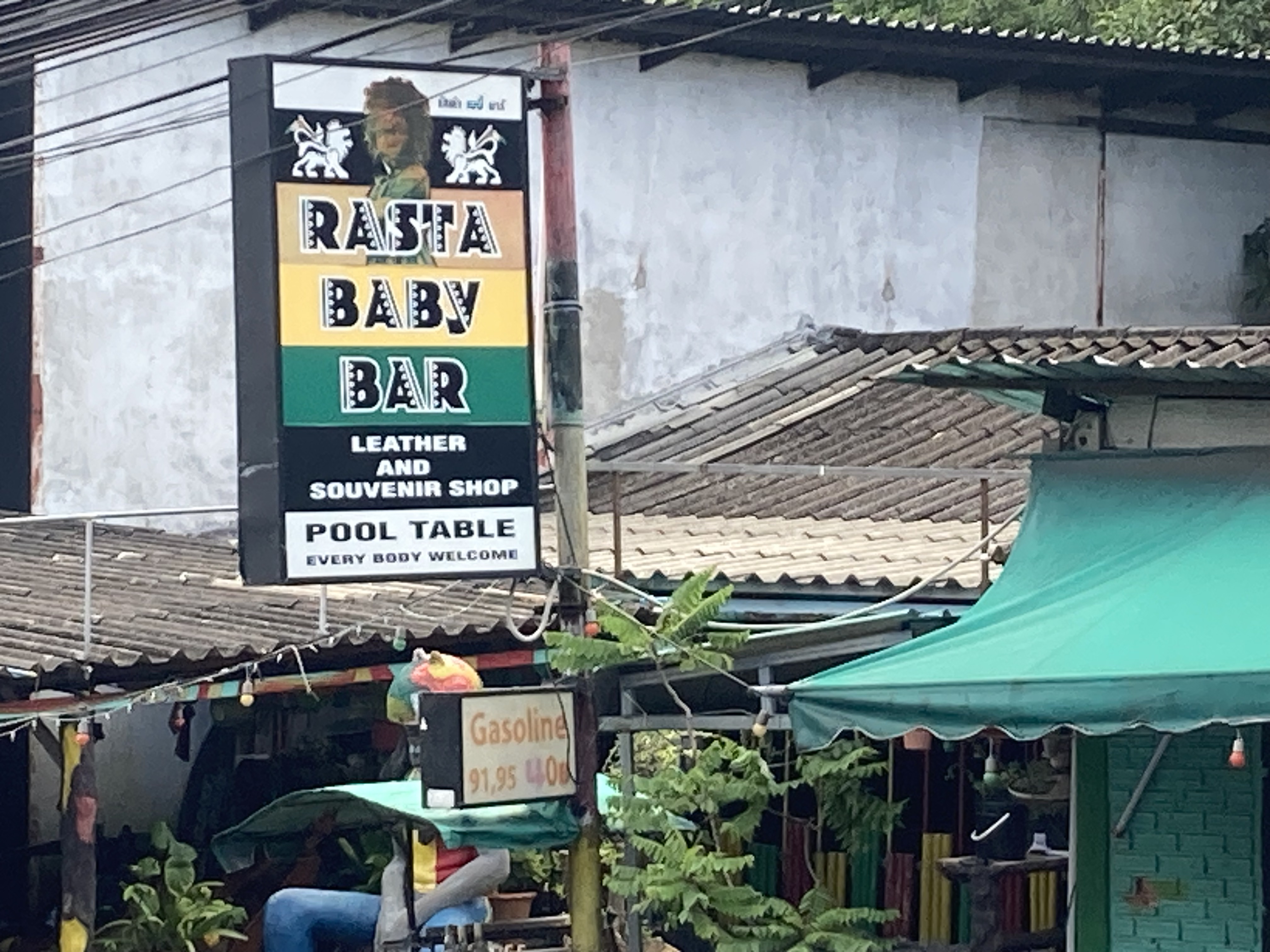
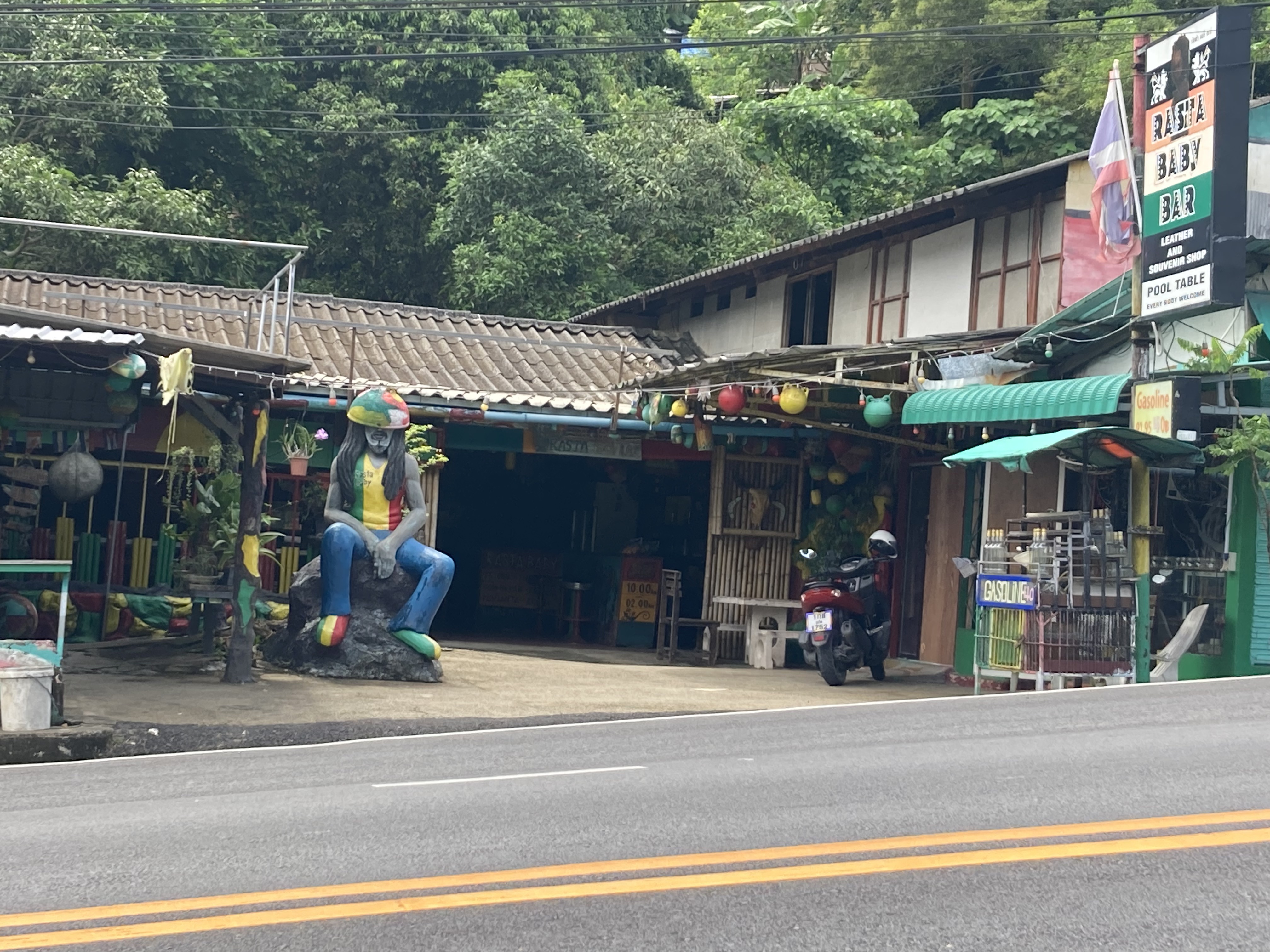
At that time, the Thai Rastaman was prevalent in the beach towns. We met a few. Most of them seemed to be involved in things like “Bob Marley Bars”, which were basically jungle-vibe kind of bars found on every beach in the country, where the sound system played Bob Marley music non-stop, and the walls were decorated with red, gold, and green Lion of Judah flags and Bob Marley images. These guys were pretty laid back, rootsy, athletic, maybe into Yoga or traditional Thai tattooing, and could help you score some weed. I liked this vibe and it suited the new me that I was becoming at the time. They had this revolutionary type of subculture attached to some of my favorite music (Reggae) and lived mostly outside of society and outside of the law, which was where I was most comfortable. Back home in America, I’d straddled the lines between underground music scenes, sketchy street cultures, the film and television industry, and the University business-school world. I was optimistic about my future but also exhausted by my prior life’s blistering pace, constant chaos, and moral ambiguities. I wanted my lifestyle to be more laid back, natural, and wholesome, but not to lose its sense of excitement and adventure. It wasn’t a big mental leap to see myself stepping out of the American society and into this world of rebel beach boys.
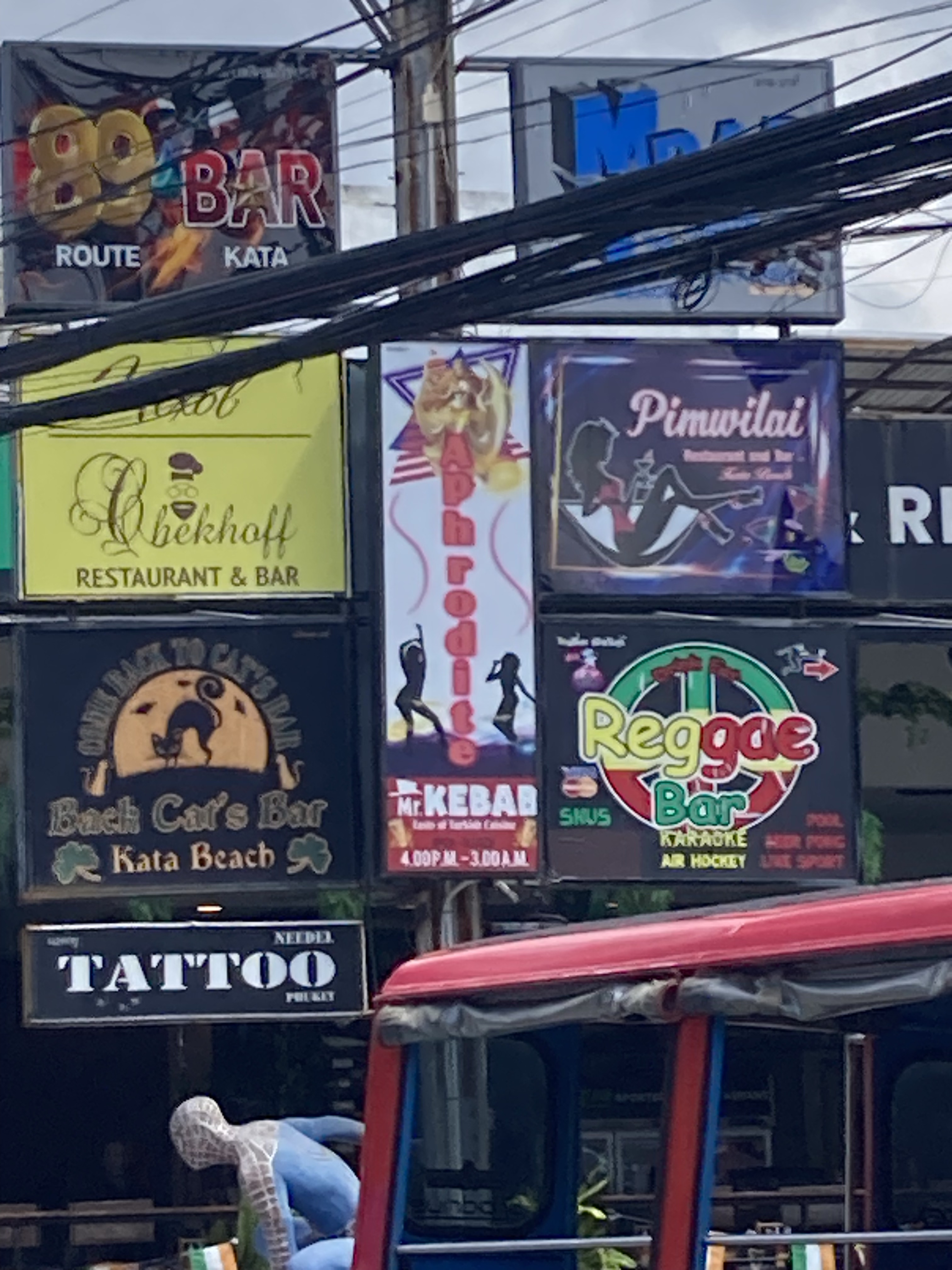
By the time of our yearlong 2013-2014 residence in the country, I had already been living Rastafari for many years. I’d grown dreadlocks, then cut them off, then grown dreadlocks again. Shortly before taking the job as a school teacher, I’d shave my dreads and my beard once more as conditions of the job. So I showed up in Thailand a baldhead Rastaman with a job and a family. It wasn’t exactly the beach boy lifestyle, but I’d gone through a lot in the intervening years and this was where I was at the time. On trips into Bangkok, I’d score some herbs from the African bredren on Sukhumvit Soi Nana. Every day after work, I’d smoke a bit while reading my Bible prayers & meditating on the Selected Speeches of Haile Selassie I, often while connecting with nature on a long walk. When we moved down to Phuket, it was a lot easier to get my ganja, but I also learned from hanging out at the Reggae bars that most Thai Rastas were not really Rastas. Most were just dreadlocks men involved in the illicit drugs trade, not that far removed from the bikers or other criminal thugs. I did, however, meet one true Rastaman there. His name was Pi Pele and he was my bredren. (In Thailand, “Pi” basically means “older sibling”, so it’s kind of like saying “big brother Pele”.)
Pele was a baldhead Ras like myself at the time. We each kept our hair short, but grew out our beards. Pele was the only one who could make a conversation about His Imperial Majesty Haile Selassie I and the kind of world events and history His Majesty had participated in or created. He knew a bit about Ethiopia, and about the Jamaican Rasta culture too: the movements like Nyahbinghi, 12 Tribes, and Bobo. I shared a lot of things with Pi Pele, such as Rasworld calendars, Nyahbinghi chant books, scripture references, and speeches of His Majesty. He had some plans to copy and distribute these, but I’m not sure how far that ever materialized. In those days, Pele was running a little hangout spot at Friendship Beach, which he planned to expand one day into a full-on guesthouse. It was one of my favorite places to get away to, maybe sit by a fire with Pele, burn one down, and reason, maybe bring a friend from the Tiger Muay Thai gym where I was working at the time.
Around the gym, all this stayed on the down low. I must just be good at living a double life, because I’ve done this a lot, compartmentalizing one aspect of my life from another. Tourists didn’t want their fitness coaches to be smoking marijuana, and the Fight Club crowd wasn’t really interested in talking African liberation and the spiritual redemption of mankind. Most of them wanted to drink, f^@!, and fight, and reminded me a lot of my old life from the skinhead days. I actually met a lot of skinheads and former skinheads in Phuket, but very few Rastas. There were only a few people at the gym I could really discuss Rasta with, like the Ethiopian-Greek brother from Canada and my British-Caribbean co-worker from the UK, whose father was a Rasta in the islands. We also had a few African friends around the fight scene–a female pro fighter from Germany (half Kenyan), and a male pro fighter from South Africa, as well as the Sudanese-British journalist we made good friends with who went on to become a superstar in her own right.
I remember sneaking herb on the train, smoking in the bathroom, and blowing it out the window. If the police caught you, you’d be in big trouble, probably prison, and maybe not go home. That was the rumor anyway. I don’t know. Pretty much like the USA before legalization, you were supposed to be scared, but people were smoking weed everywhere and it wasn’t really a big deal.
I don’t want to make it sound like Rastafari is only about ganja smoking. Much of the time I was in my own head, reflecting on the Bible or some words of Haile Selassie I. I spent my days working, working out, and spending time with my family. Marijuana’s role in my life by this time had diminished significantly. I’d actually quit smoking a year or two earlier, moving to only edibles to that I could focus more on my fitness and get that cardio up. In Thailand it was pretty much one little joint (what we called a “pinner”) every evening, and maybe a bit more on a Saturday, and only because I couldn’t find anything clean & fresh enough for eating. I worked out as much as four hours a day, and spent the rest of the time teaching people how to work out. For fun, I would go to the beach and swim out to nearby islands, or get myself a sunburn by doing high-volume calisthenics workouts in the sand. I ate strict vegetarian meals and spent a lot of time with my wife and my son, trying to stay out of all the perennial dramas of a tropical tourist trap. That was my life at the time.

Now
This trip in 2024 was very different. And how couldn’t it be? My first trip there 18 years ago had been for 3 months. Then, 7 years later I went for a full year. Now, after 10 years away, I was only going for 2 weeks. I couldn’t experience the fullness of living in Thailand again. All I could do was observe and report.
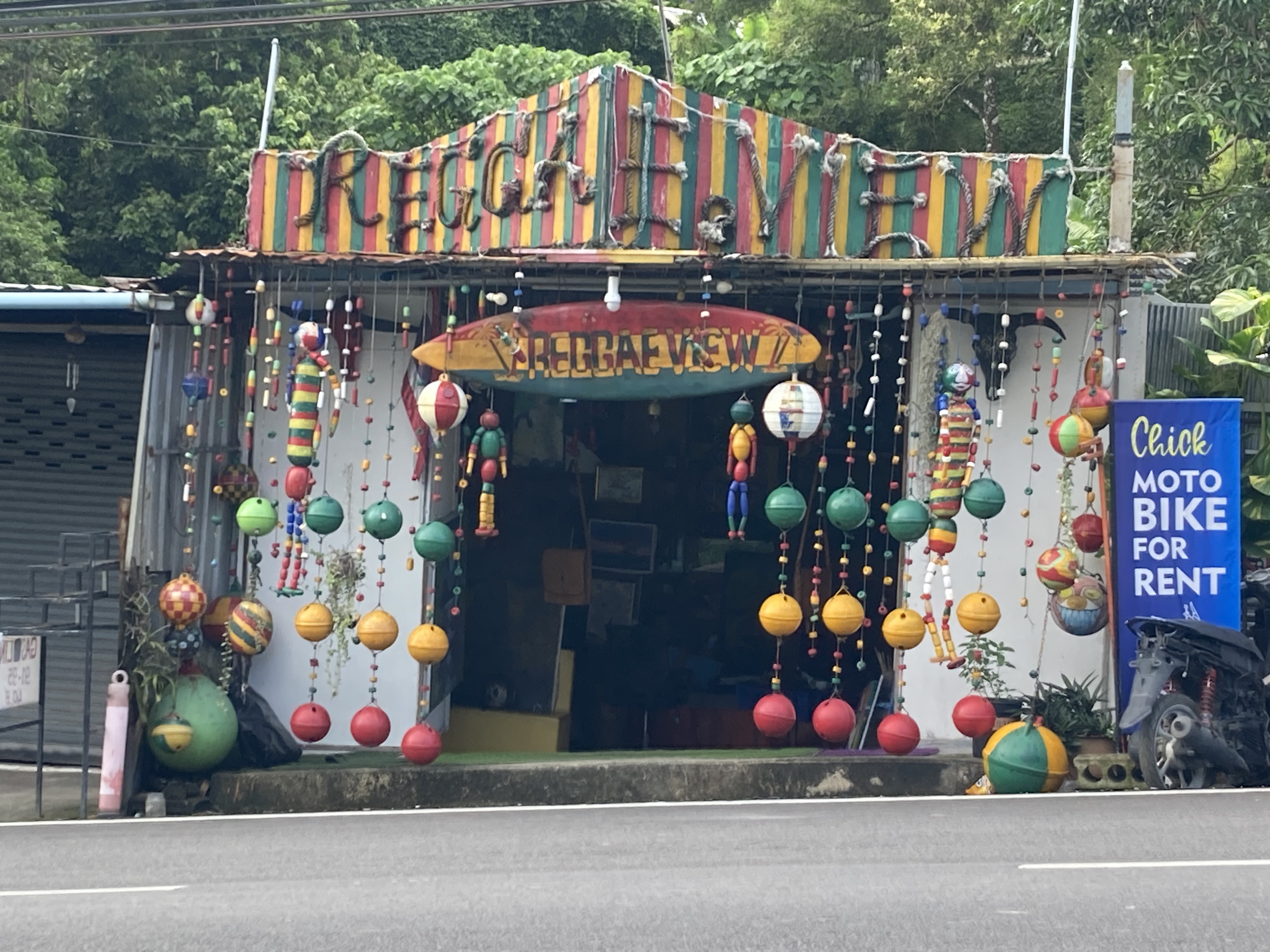
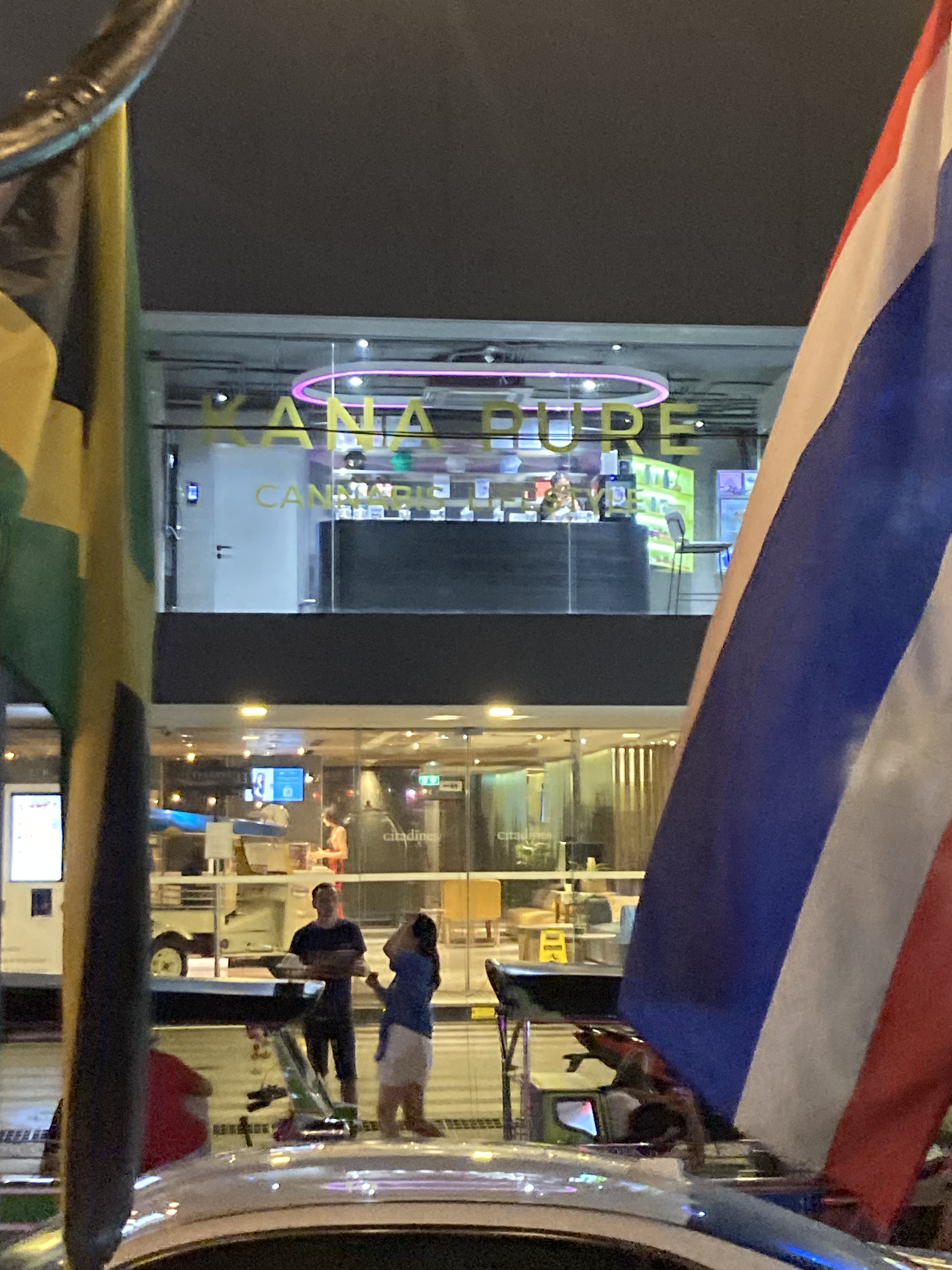
First of all, the ganja is legal there now. Thais call it “gan-cha” and they love it. They always have, really, but they just made it illegal for many years at the behest of the USA and other foreign governments, who seem to have made it a condition of aid money or grants or something. Now that most of the USA has legalized it, the Thais gave up trying to fight a war against one of their own ancient cultural herbs and strongest commodities. It’s totally legal now in Thailand, to buy or sell, smoke or eat, even in the cafe or dispensary where they sell it to you–a privilege we do not yet have in Washington state. These days in every Thai neighborhood, along with the street food carts, laundromats, 7-11s, bars, and coffee shops, you also have a ganja cafe or two. And how do they decorate these businesses? With red, gold, and green Rasta flags, big marijuana leaf logos, and other symbols that the Rastafari culture has made synonymous with themselves and this plant. You may even see a Jamaican flag represented.
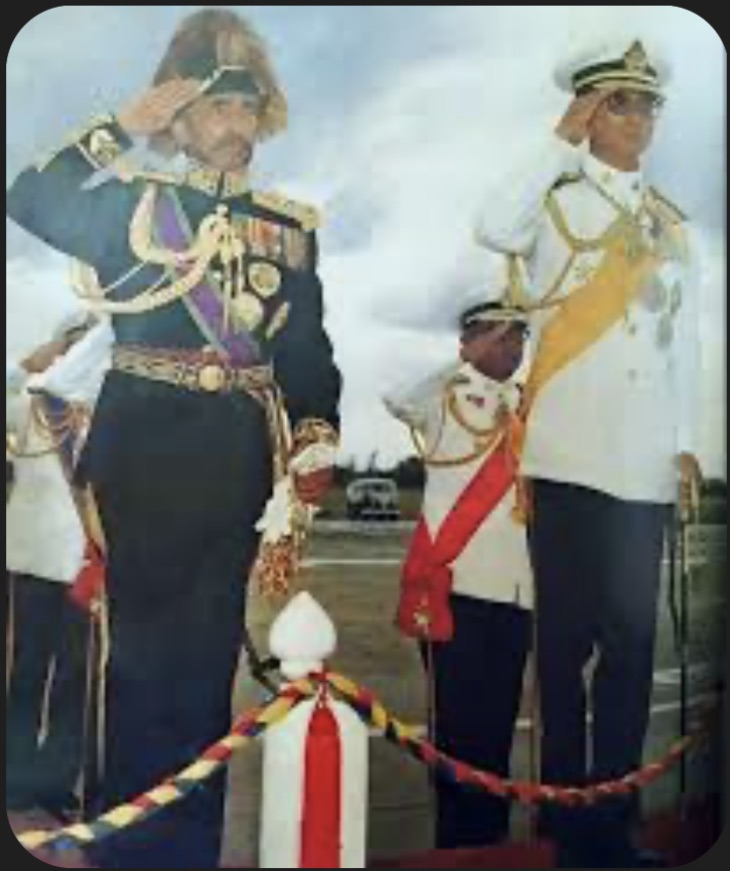
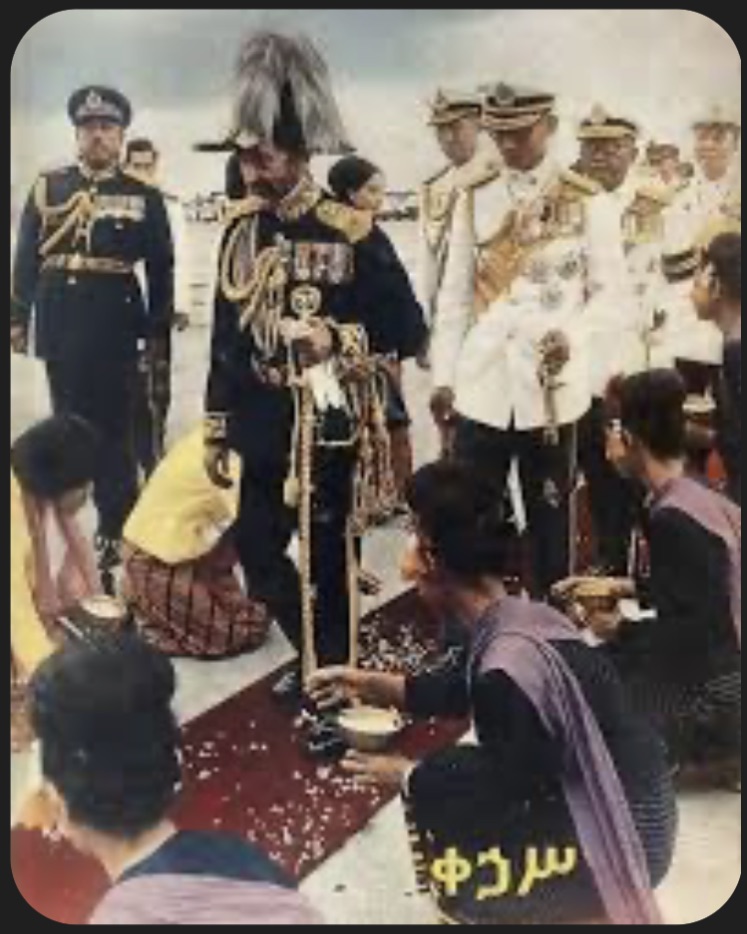

I knew Haile Selassie I (earlier named Ras Tafari) had visited Thailand, and searching online I found some pictures of His Imperial Majesty Emperor Haile Selassie I and the late Thai King Bhumibol Adulyadej (known as King Rama IX) hanging out together during that visit to Bangkok in 1967. Bhumibol, who was also considered a divine King in his own tradition (an Earthly representative of the Hindu god Rama) had made Emperor Haile Selassie a, “Knight of the Most Illustrious Order of the Royal House of Chakri,” in 1958, and on this visit praised His Majesty’s, “wise and benevolent leadership”. He was the first African head of state to visit Thailand. When I showed Thai people these pictures, they all recognized their former King, but none of them recognized the Emperor. One of them did, actually. Only one actually knew these photos, but I didn’t have to show them to him. A Rastaman called Pi Tong had one of the same photographs framed and hung up on the wall of his bar.
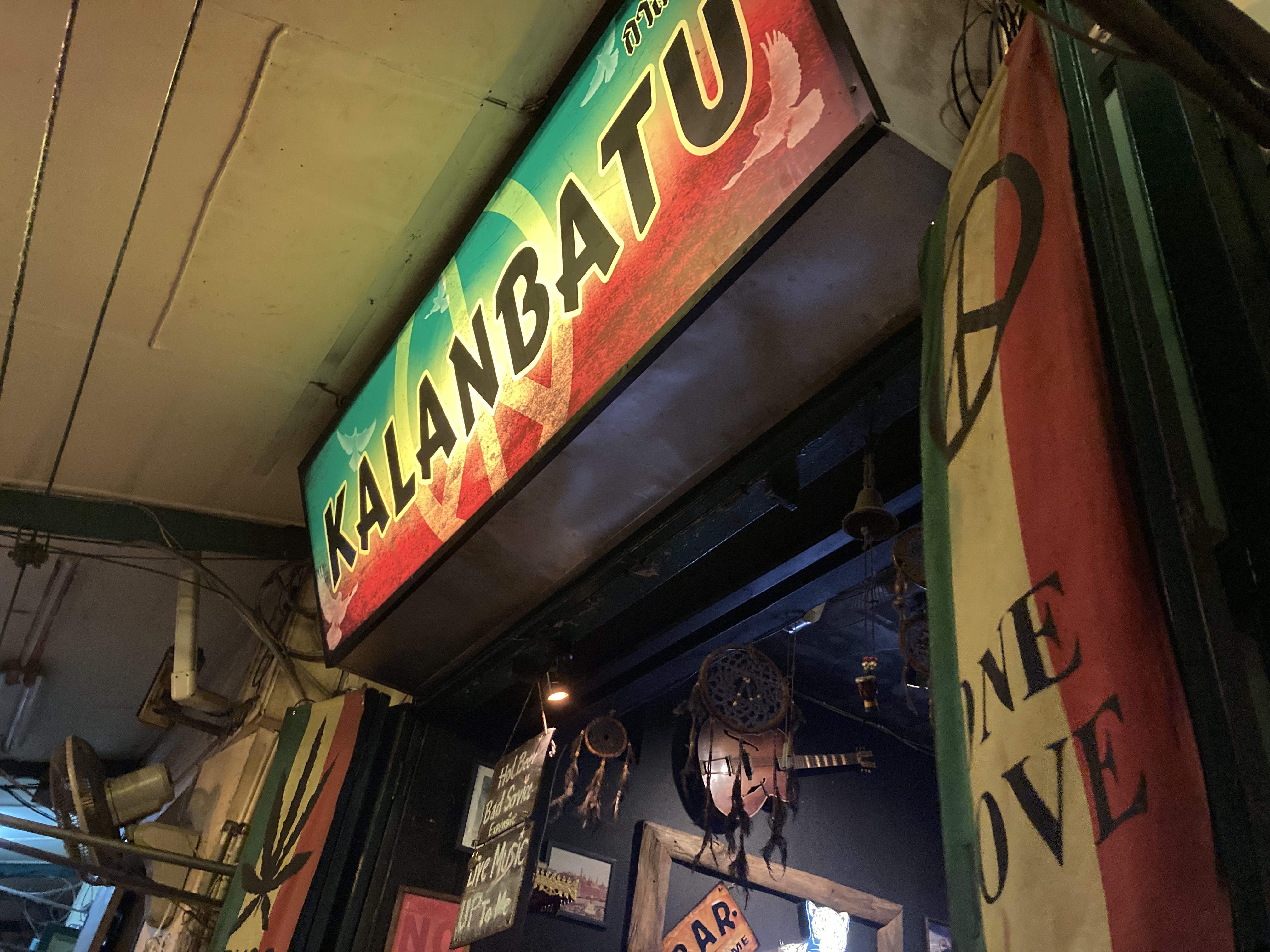

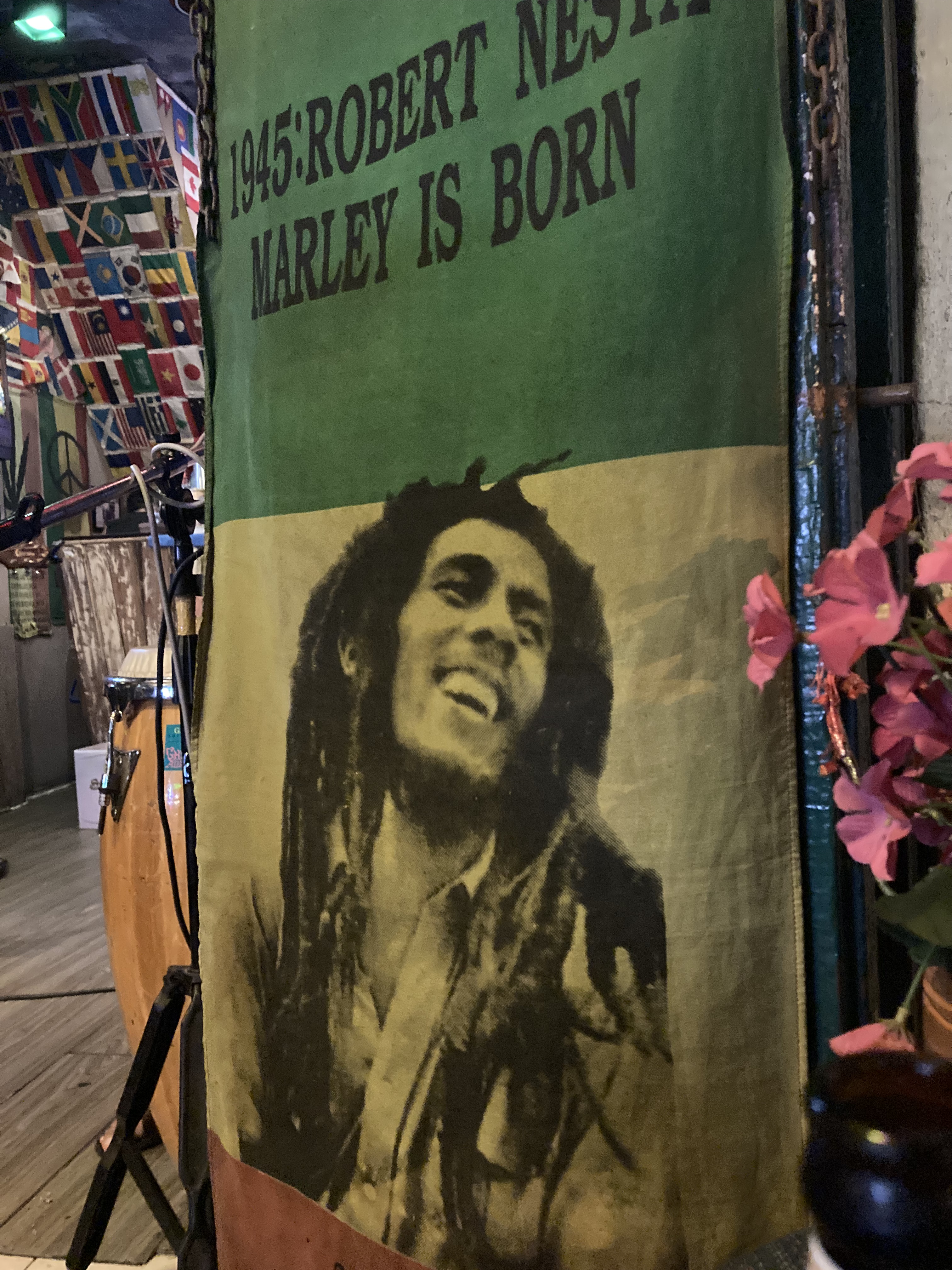
Pi Tong owns a Reggae bar in Bangkok called Kalanbatu. It’s right there on Soi Rambuttri, near Khaosan Road, and there’s a live house band every night. He’s decorated the place with the “true colors”/Pan-African colors/Ethiopian flag colors of red, gold, and green, which appear on banners like the one featuring Bob Marley. Thais love these colors as their own, especially those who love Reggae and cannabis, and they might not even know the origins of this tricolor banner (most people don’t, but the story is told in Genesis 9). I brought Chelly and Mandi to Kalanbatu on one of my first nights in Thailand, and I went there again on my second to last night. That’s when I brought Pi Tong a flash drive with around 11GB of data on it (more than 2170 files), all pertaining to Ethiopia, Haile Selassie I, and the Rastafari movement (mostly pdfs of historical documents, books, and academic articles). As I was gifting him the drive, I saw that picture on the wall of Haile Selassie I and King Bhumibol walking down the red carpet together. This was a Rastaman who knew what he was about and I was sure I’d given the files to the right man.
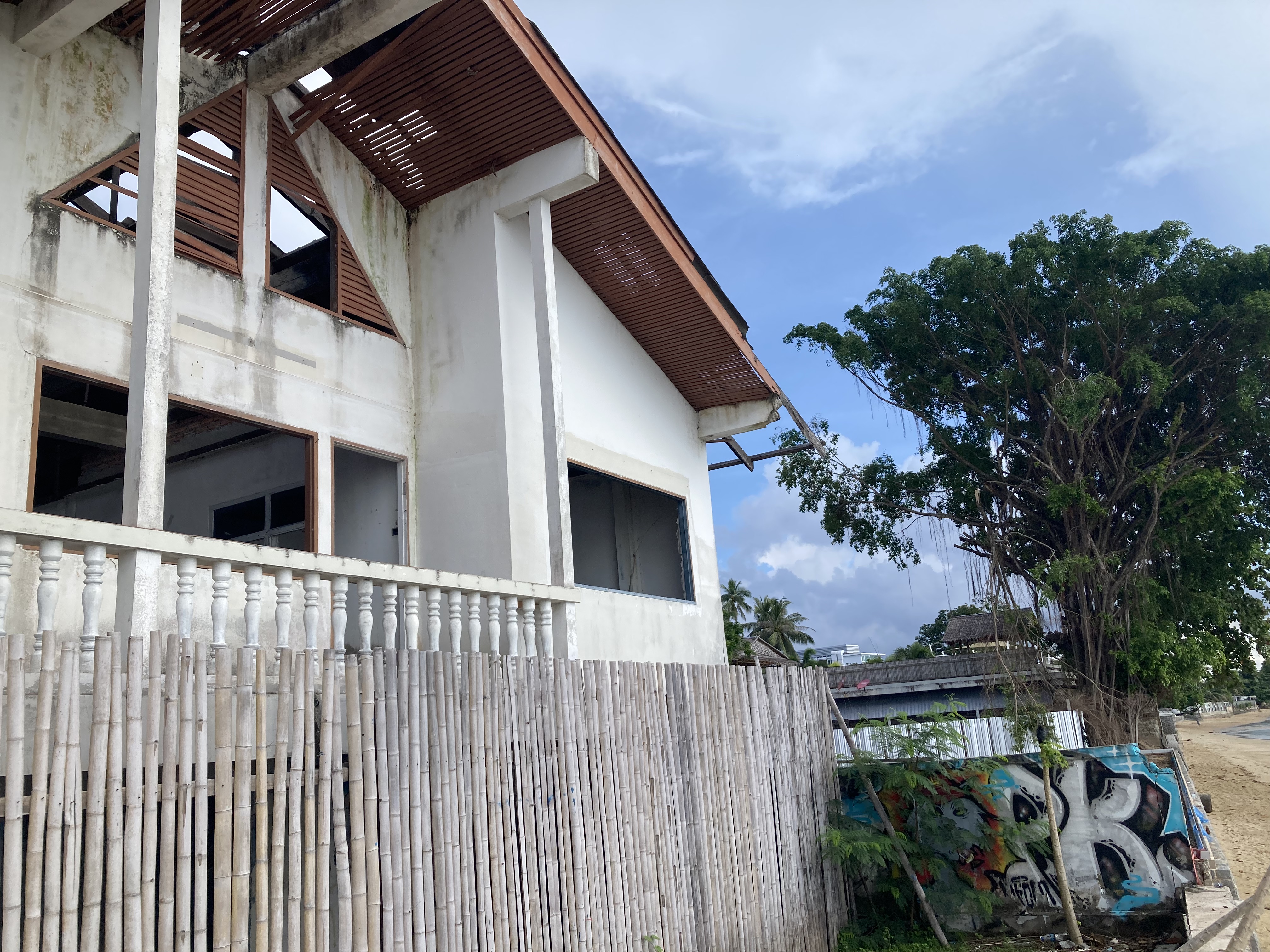
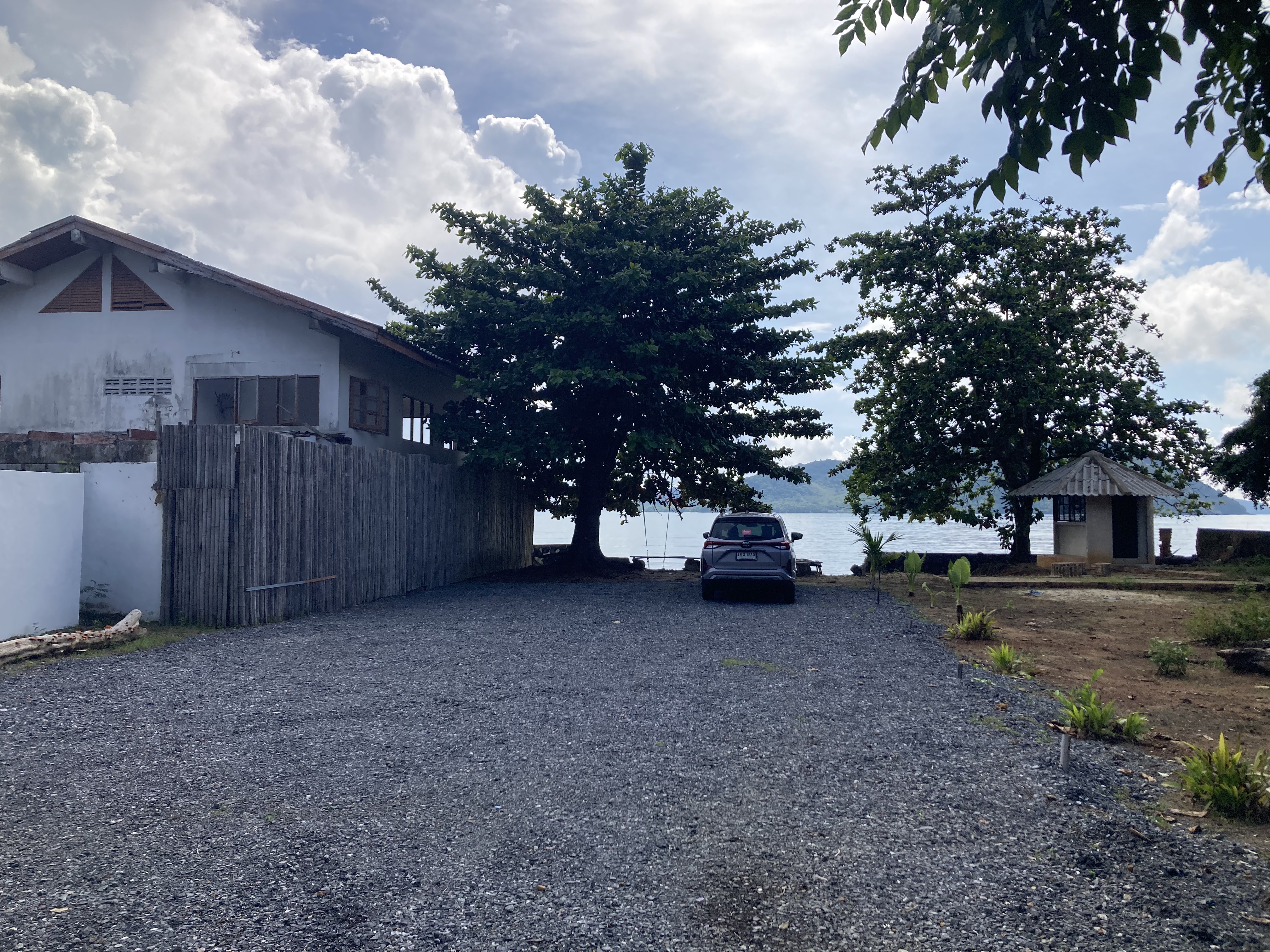
I hadn’t originally intended the files for him though, I’d brought them to give to Pi Pele in Phuket, who I’d thought I might meet again on this trip. I tried, of course. While we were in Phuket for a few days, I took a solo drive down to Friendship Beach to check for his place. Pi Pele wasn’t there. I found the same parking lot at the end of the same road, with the same beach, the same tree, and the same swing. But, the building that Pele had used for his cafe and herb yard was now fenced off by a wall of bamboo, and the little guest rooms he had back there were now AirBnBs. It was a bittersweet feeling, to see the place there and have so many strong memories of good times there, but not to find the people who used to inhabit it. I met a family leaving the BnB, but they didn’t know anything about my friend or my memories. So this is why the hard drive of files had to find another recipient.

I met another interesting Rastaman in Phuket. This was when the boys and I stopped at the Karon Viewpoint and Nathan got to pose for pictures with an eagle. That’s where we met Pi Ramboy, an elder Ras with big Congo locks (thick and fully natural, never braided or twisted). He was selling some beautiful handmade jewelry of string, rope, and polished stones–necklaces, bracelets, and the like. Pi Ramboy also had a jar of exquisite organic cannabis that he’d grown on his own land. In earlier days he used to own a Reggae bar called “Jamrock”. He also told us about the house that he lived in, which was built from a boat hull, so he had a boathouse on land. It sounded very cool to me. We learned all this before Pi Ramboy drove off in his original Vietnam-era US Army Jeep.
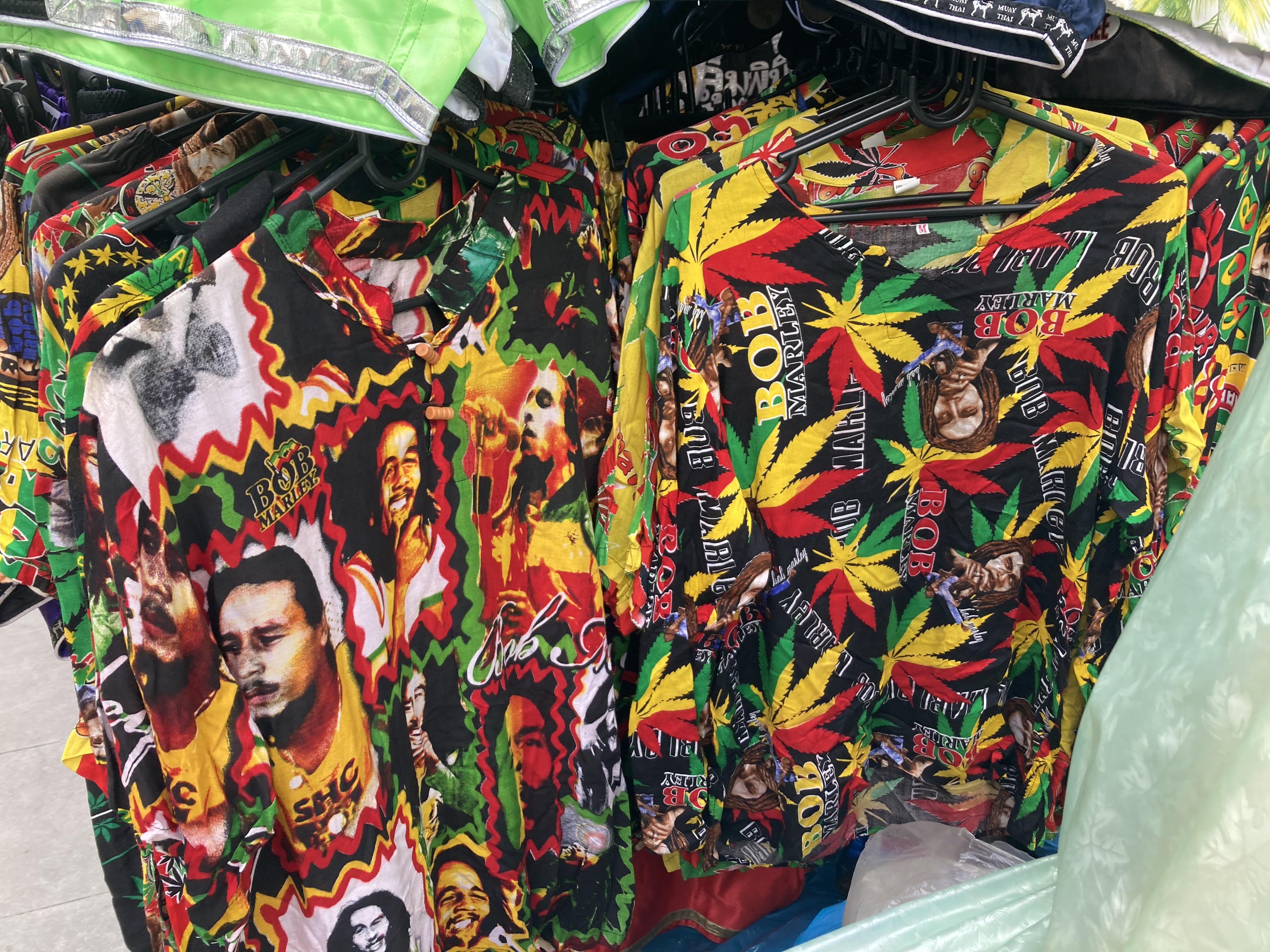
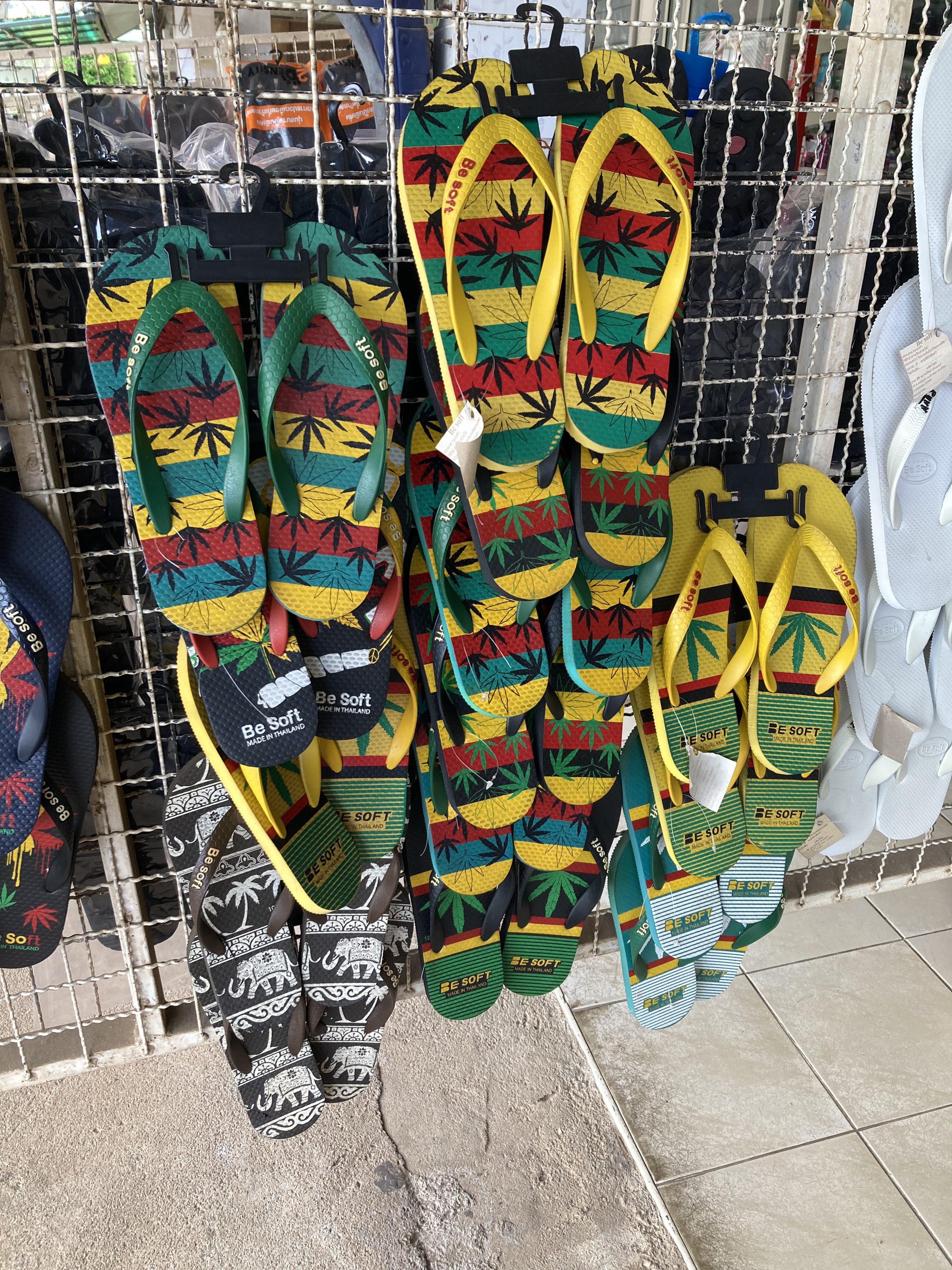
All over the island I saw places decorated with Rasta imagery, the red/gold/green colors, and pictures of Bob Marley. These were cannabis shops and Reggae bars for the most part. Here in Phuket and in Bangkok, and even on little Kho Yao Noi, I found a wide variety of merchandise printed in the red, gold, green, and black color schemes, usually accompanied by a marijuana leaf motif, or pictures of Bob Marley. I found sandals and shirts and even pants with a red, gold, green ganja leaf pattern (I brought a pair of those home for myself). I had it in my mind to return home with a bundle of such items and resell them to some clothing retailers back home. But, that was one of many ideas that I just didn’t have time to follow through with on this trip.


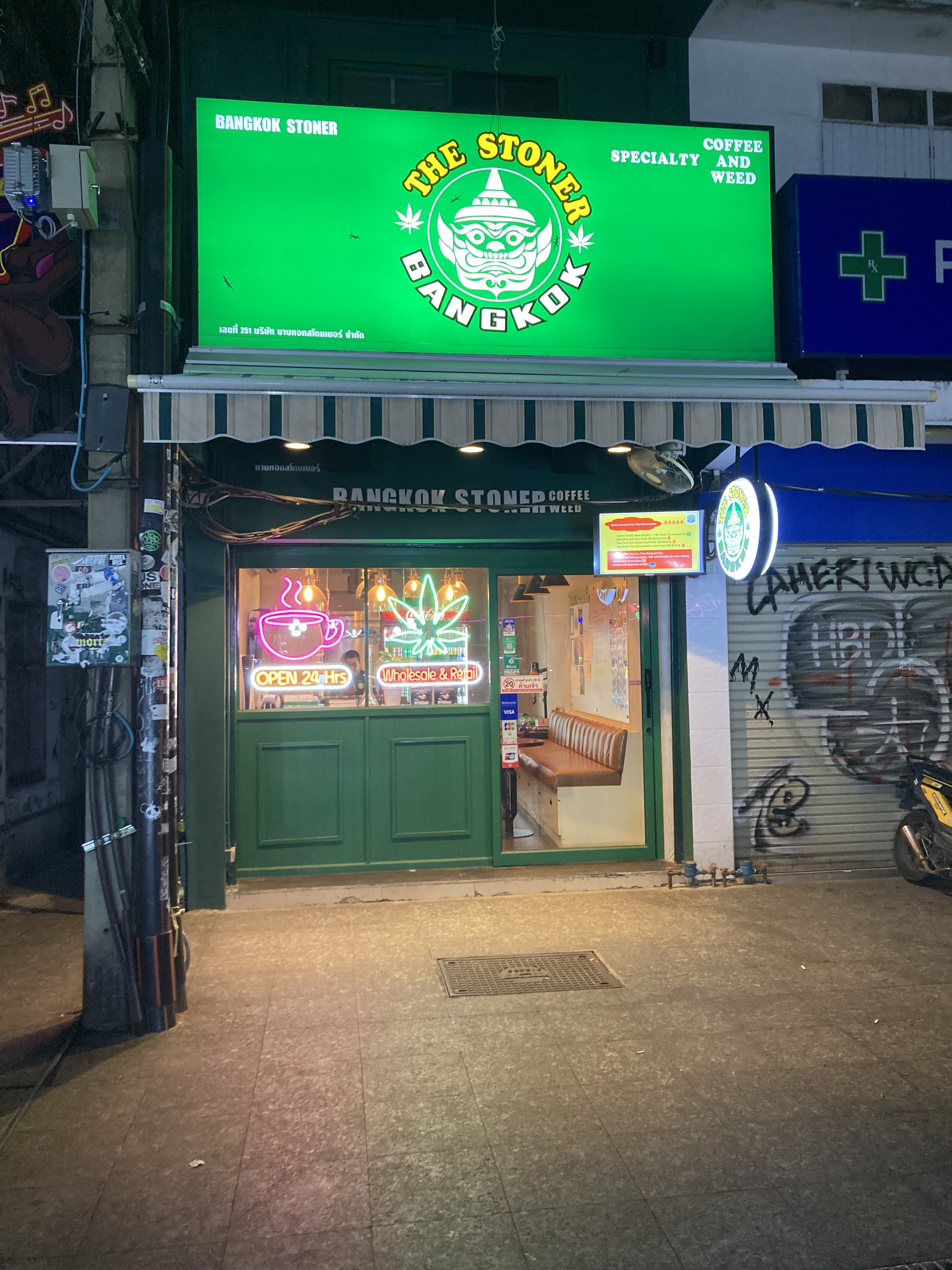
I did enjoy a bit of cannabis in Thailand. I quit smoking again this summer, so it was mostly edibles. Aside from those few little chocolates that I’d brought from home for the plane ride, I also had the opportunity to try three local herbs. One was at the Bangkok Stoner on Khaosan Road, where Pi Pruksakorn (a highly knowledgable cannabis grower) sold only the finest award-winning strains. He gave me a coffee with a few drops of Blue Dream oil extraction that lifted me into a very happy place and had me flying high for a day and a half. It was a beautiful feeling, mostly because the setting was nice and I had himself and another brother from Reunion Islands around to make good conversation. That was before I went shopping and bought 40 pieces of clothing from one vendor and decided to take a river boat trip. Excellent day.
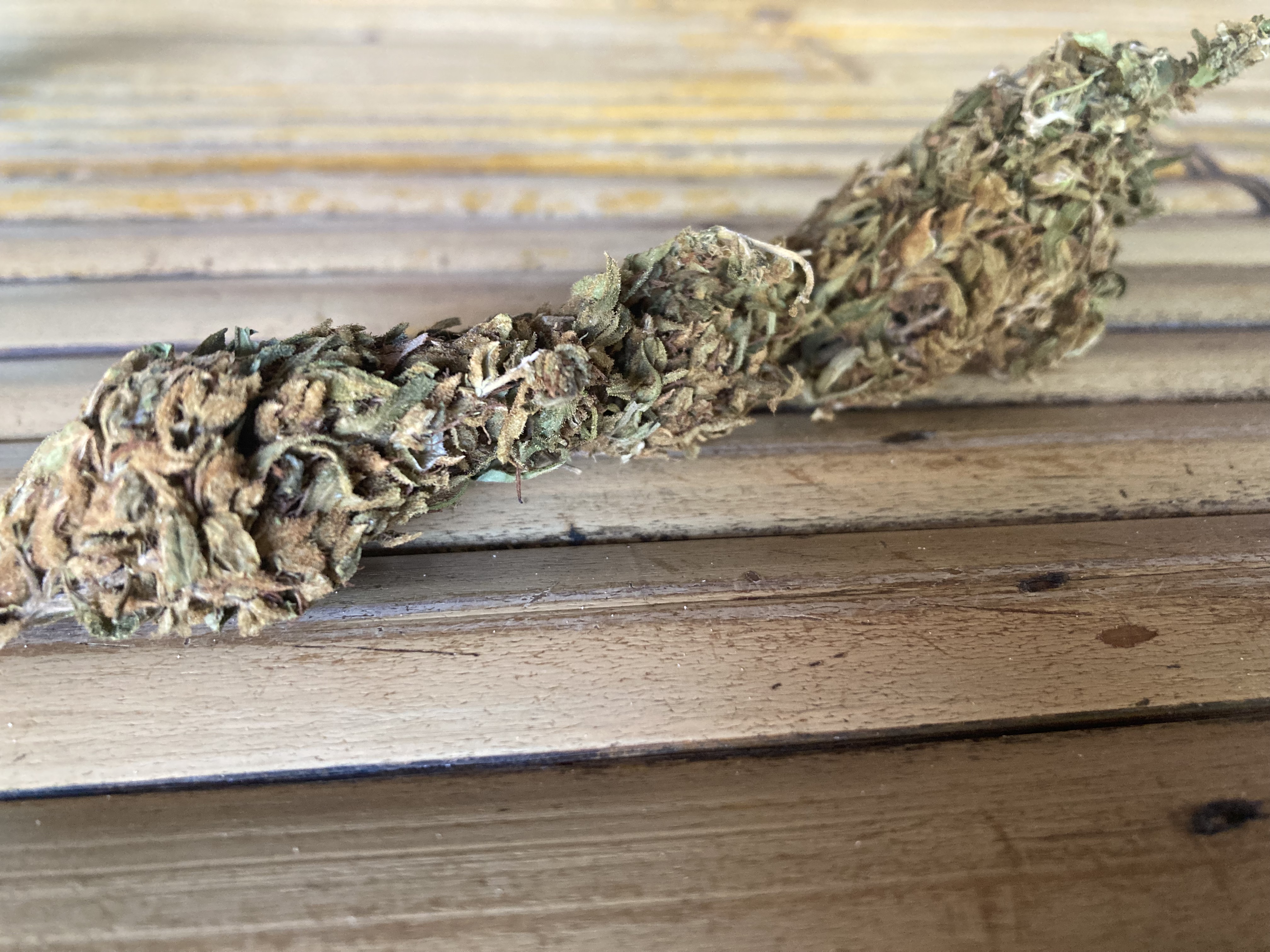
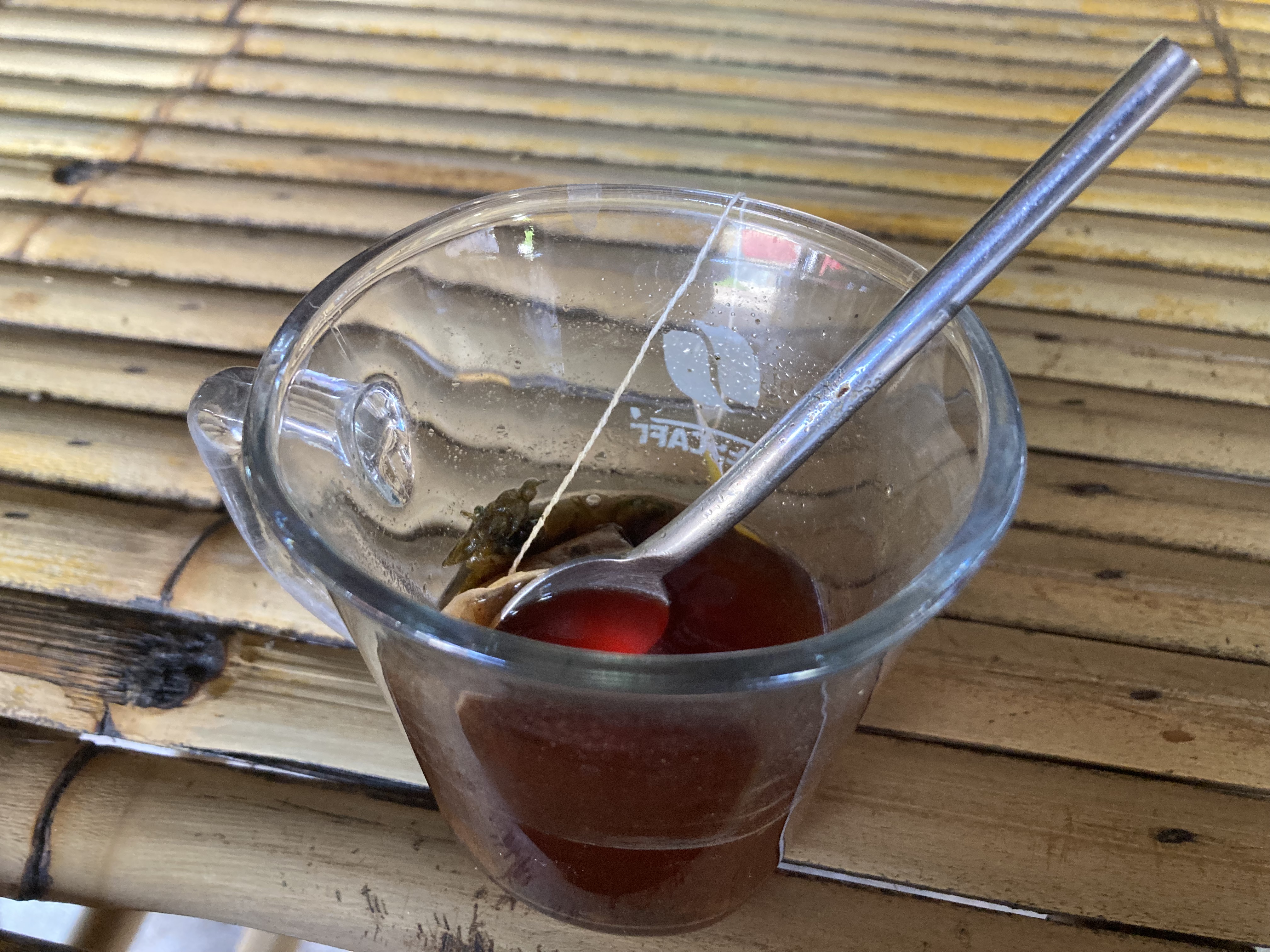
I also tried some herbs on Koh Yao Noi. That’s a whole story. Me and Chelly were looking for something to try and our hosts told us to go to the “Extra Time” pub, but it was closed at that time of morning. So we drove to the other end of the beach where we found “420 Corner”. They were closed too, but they were sweeping up and getting ready to open, so they sold us a little herb. It was shipped in from Canada, overpriced, and dry. I actually rolled a joint and took one hit of that one, just for vacation’s sake, but it was terrible and I instantly regretted it. I ended up giving that herb (and the rest of the joint) away to an elderly gentleman and picking up some much better quality (fresh, local) stuff from Extra Time later in the day when they opened. That herb was one-tenth the price, and they let me go into the kitchen and cook up my own ganja butter to add to a cup of tea. Great experience, great-tasting herb, great conversation with the owner, and a great feeling for the rest of the day.
On my last day in country, I stopped by the Bangkok Stoner again and had another coffee with Pi Pruk. That made for a very fun day that I’ll tell you about in my next blog.

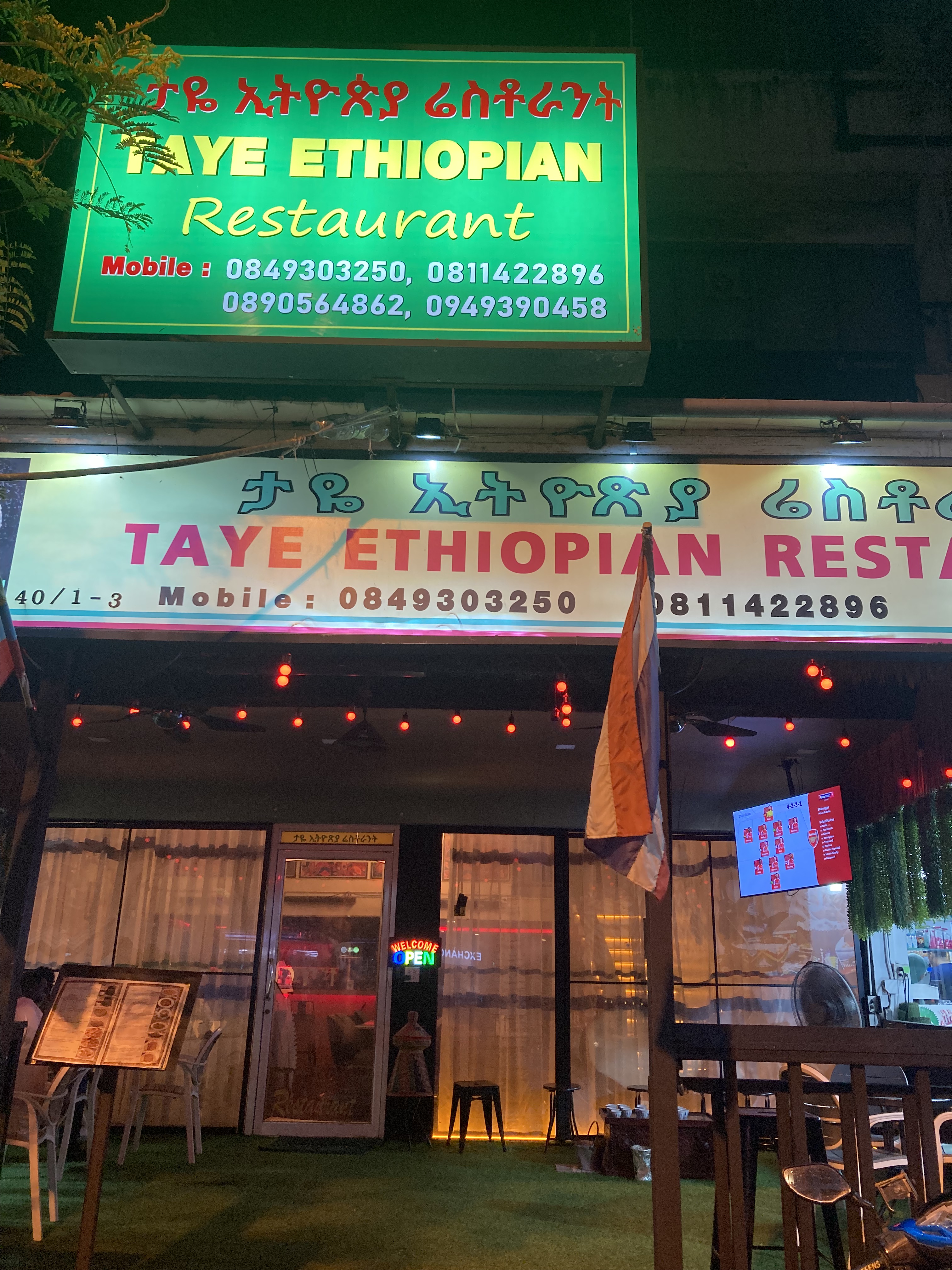
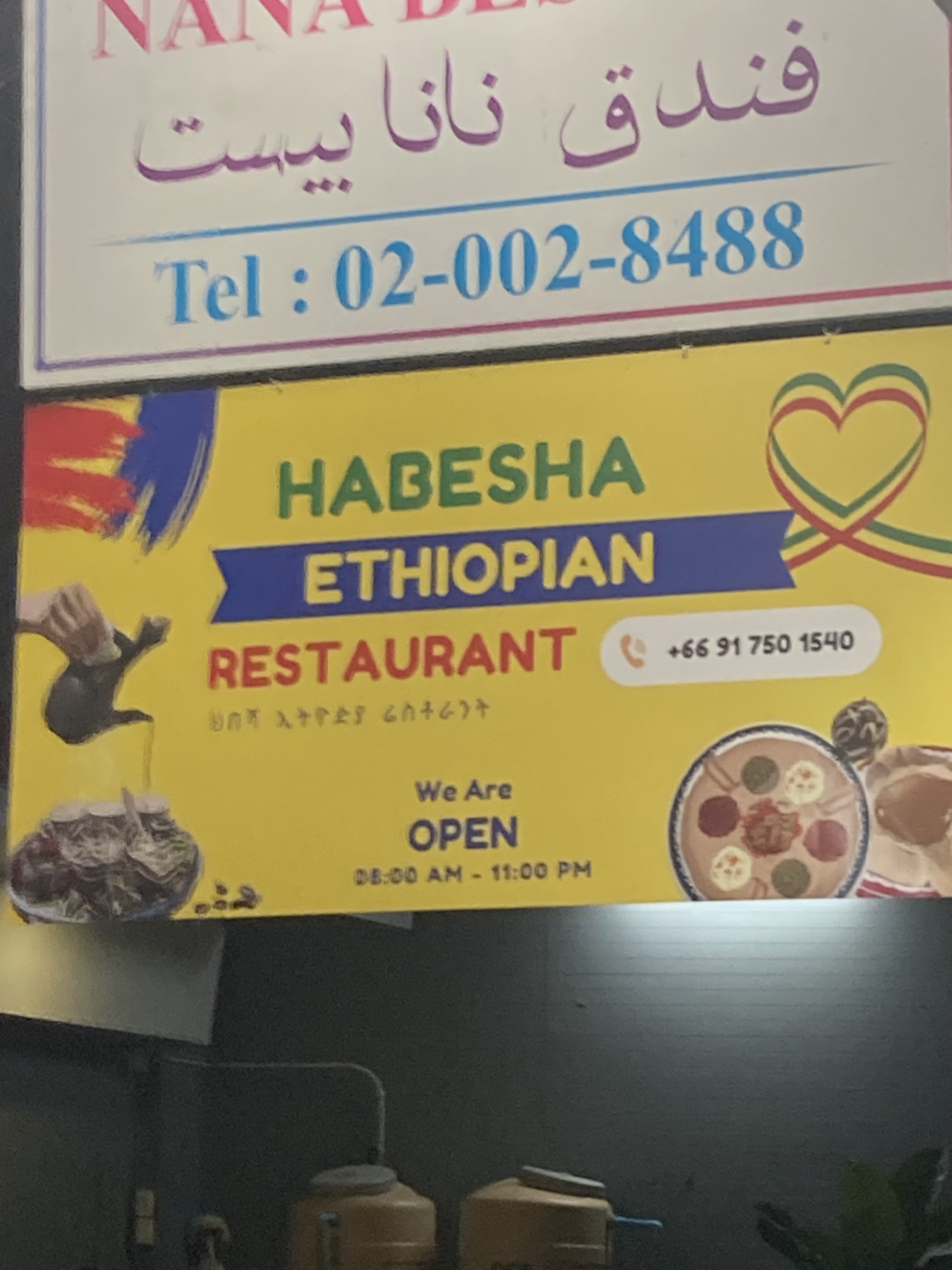
I also met a couple Jamaicans & many Africans living in Thailand, or just visiting. Of course, we’d met Jamaicans and African in Thailand on our previous trips, but now there seemed to be a lot more of them here. Especially around the Sukhumvit Soi Nana area, where there were so many West Africans on the streets that you’d almost think it was their neighborhood in their country. I also met a few Ethiopians in the same neighborhood. I found three Ethiopian restaurants, but Taye Ethiopian was the best of them. They had a great atmosphere and friendly, welcoming staff. Service was prompt, and the other customers were also friendly. I asked some of them where they go for church on Sundays and that’s how I found out about St. Nicholas Russian Orthodox Church. That’s another part of my personal Rastafari trod and livity that might seem unusual to some people. Just like many Ethiopians, and like Haile Selassie I (Ras Tafari himself), I will make a visit to another nation’s church on my travels in order to join them in worship. You see, it isn’t really the building, the ethnic group, or the denomination that makes the place holy or the worship genuine, it’s what’s inside of us. As His Majesty said, “…as the name applies to the buildings, so is our heart The Church in which God dwells.”
Some Day
So what might the future hold for Rastafari in Thailand?
Africa is rising and Rastafari people within Africa and her diaspora are fruitful and multiplying. More and more every day, Rastafari people are becoming educated about the words and works of His Majesty Haile Selassie I. At the same time, people around the world who witness Haile Selassie I and desire to learn more about him are also discovering the Rastafari movement. This, along with the continued popularity of Reggae music, and the global explosion of Cannabis culture, is leading to an increasingly massive and global community of Rastafari and Rastafari sympathizers. Thailand is no exception.
Everywhere I went in Thailand, I saw the fingerprints of Haile Selassie I: in the reorganization of global society post World War II that led to this modern community of nations; in the Orthodox Churches that spring up even here in the Theravada Buddhist far East; in the equality of rights granted to African and Asians who are now expressing themselves to the fullest extent on every level from the cooperative relationships between nations to familial relationships of intermarriage; in the Ethiopian diaspora community that maintains a presence in this country.

I also saw the fingerprints of the global Rastafari Movement, especially the Jamaicans, who have created such a strong sense of identification between the Pan-African “True Colors” and the Cannabis plant, that Thais have recognized these colors as the universal branding for all things marijuana, and whose invention of Reggae music has given the entire world a sound to love and express themselves through, a sound that carries a message of joy and laid-back good times, as well as liberation and human rights. Thais even consider Reggae music to be their own, a derivative of a style of Thai traditional (country) music.
Africa is growing stronger and more present in the world, and her presence is felt here in Africa. The exceptional works of Haile Selassie I have crafted a new age of human cooperation, development, and peace, through abiding laws and institutions. He has given us a fine example of manhood and leadership, with his wife Empress Menen, a fine example of womanly leadership. Africa, and all of Mankind, now has a Father and a Mother figure to look up to and emulate. The Rastafari culture is creating an atmosphere of sympathy and self-identification with this new Africa amongst peoples all around the world. We see ourselves sharing this herb, this music, this spirit of truth and rights, this desire for peace and unity, and this admiration of the African ancestors and the kind of future that Africans–and conscious people everywhere–want to lead us towards. I haven’t even mentioned the so-called “Green Revolution”–the ecological movements and vision of a sustainable environmental future–that Rasta also promotes.
I conclusion, yes, I see a strong future for Rasta in Thailand.
 Nic Nakis